Latest Post

Vitamin
Vitamin K

Vitamin K originates from the German term koajulation. It is also known as antihemorrhagic factor, and is one of the four fat-soluble vitamins necessary for good health.

The others are vitamins A, D, and E. The primary and best-known purpose of vitamin K is support of the process of blood clotting. Prothrombin and other clotting factors are dependent on vitamin K for production.

It also plays a role in bone health, and may help to prevent osteoporosis. Appropriate growth and development are supported by adequate vitamin K.

VitaminVitamin

There are several forms of the vitamin:
  • K1 or phylloquinone; also known as phytonadione
  • K2, a family of substances called menaquinones
  • K3 or menadione, a synthetic form of this vitamin

General use

The Required Daily Amount (RDA) of vitamin K is 5 micrograms (mcg) for infants less than six months old, 10 mcg for babies six months to one year old, 15 mcg for children aged one to three years, 20 mcg for those aged four to six years, and 30 mcg for those seven to ten years old.

Males require 45 mcg from 11–14 years, 65 mcg from 15–18 years, 70 mcg from 19–24 years, and 80 mcg after the age of 24 years. Females need 45 mcg from 11–14 years, 55 mcg from 15–18 years, 60 mcg from 19–24 years, and 65 mcg after the age of 24, and for pregnant or lactating women. These values are based on an estimate of 1 mcg of vitamin K per kilogram of body weight.

The most common use of vitamin K is to supplement babies at birth, thus preventing hemorrhagic disease of the newborn. Routine administration of vitamin K to newborns is, however, being questioned by practitioners of evidence-based nursing.

In 2003 the American Academy of Pediatrics (AAP) restated that prevention of bleeding from early vitamin K deficiency by administration of the vitamin is accepted practice. The AAP also noted that a possible link between supplemental vitamin K and early childhood cancer has not been proven as of 2003.

Others who may benefit from supplemental vitamin K include those taking medications that interact with it or deplete the supply. It also appears to have some effectiveness in preventing osteoporosis, but some studies done involved patients using a high dietary intake of the vitamin rather than supplements.

Vitamin
Source of vitamin K

In 2003, however, a group of Japanese researchers reported that supplemental doses of vitamin K2 given together with vitamin D3 appeared to reduce bone turnover and sustain bone density in postmenopausal women with mild osteoporosis.

People taking warfarin, a vitamin K antagonist, are able to use the vitamin as an antidote if the serum level of warfarin is too high, increasing the risk of hemorrhageVitamin. Vitamin K taken by mouth appears to be more effective than intramuscular injections of the vitamin when it is used to counteract the effects of warfarin.

Vitamin K is also used to treat bleeding from the esophagus and other complications of cirrhosis, a disease of the liver.

Some women find that supplemental vitamin K relieves the symptoms of morning sickness during pregnancy. This treatment is even more effective if vitamin K is taken together with vitamin C.

Topical formulations of vitamin K are sometimes touted as being able to reduce spider veins on the face and legs.

The creams are quite expensive and the efficacy is questionable at best. However, recent clinical studies have shown that topical applications of vitamin K given to patients following laser treatments on the face are effective in minimizing bruising from the procedure.

More recently, researchers have been studying vitamin K intensively for its potential anticancer effects. Vitamin K3 in particular may be useful as an adjuvant treatment for ovarian cancerVitamin.

Preparations

Natural sources

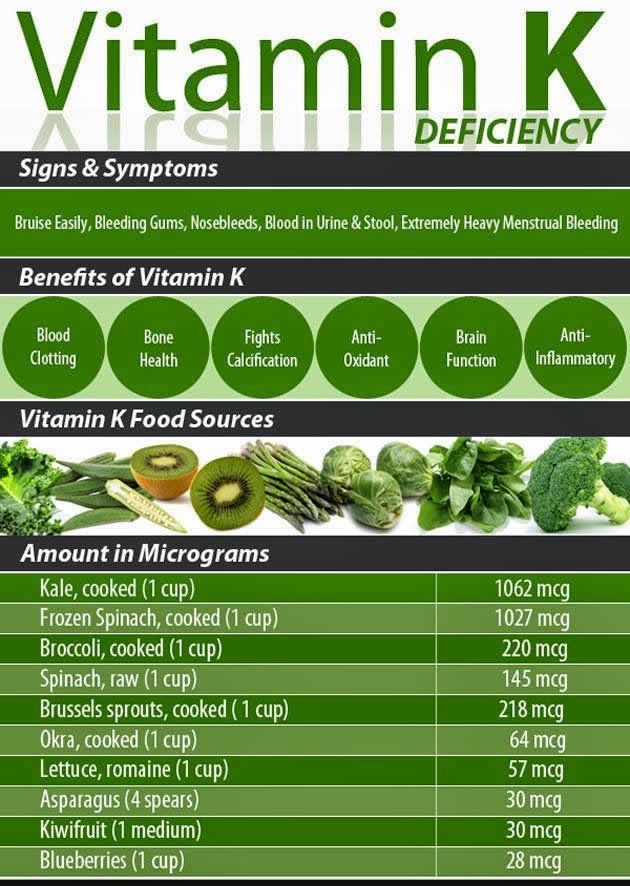
Dark green leafy vegetables are among the best food sources of vitamin K in the form of K1. Seaweed is packed with it, and beef liver, cauliflower, eggs, and strawberries are rich sources as well.

Vitamin K is fairly heat-stable, but gentle cooking preserves the content of other nutrients that are prone to breaking down when heated. Some of the supply for the body is synthesized as vitamin K2 by the good bacteria in the intestines.

Supplemental sources

Vitamin K is not normally included in daily multivitamins, as deficiency is rare. Oral, topical, and injectable forms are available, but should not be used except under the supervision of a health care provider.

Injectable forms are by prescription only. Supplements are generally given in the form of phytonadione since it is the most effective form and has a lower risk of toxicity than other types. Synthetic forms of vitamin K are also available for supplemental use.

Deficiency

Deficiency of vitamin K is uncommon in the general population but is of particular concern in neonates, who are born with low levels of vitamin K.

Hemorrhagic disease of the newborn can affect infants who do not receive some form of vitamin K at birth. Affected babies tend to have prolonged and excessive bleeding following circumcision or blood draws. In the most serious cases, bleeding into the brain may occur.

Most commonly an injection of vitamin K is given in the nursery following birth, but a series of oral doses is also occasionally used. The primary sign of a deficiency at any age is bleeding, and poor growth may also be observed in children.

Chronically low levels of vitamin K are correlated with higher risk of hip fracture in older men and women. A study done in 2003 reported that the current recommended dietary intake for vitamin K in adults may not be adequate for older women.
Vitamin
Vitamin K Deficiencies

Risk factors for deficiency

Vitamin K deficiency is unusual, but may occur in certain populations, including those on the medications mentioned in interactions, alcoholics, and people with diseases of the gastrointestinal tract that impair absorption. Conditions that may be problematic include Crohn’s diseaseVitamin, chronic diarrhea, sprue, and ulcerative colitis.

Anything that impairs fat absorption also risks decreasing the absorption of the fat-soluble vitamins. Long term use of broad spectrum antibiotics destroys the bacteria in the intestinal tract that are necessary for the body’s production of vitamin K.

Precautions

Allergic reactions to vitamin K supplements can occur, although they are rare. Symptoms may include flushed skin, nausea, rash, and itching. Medical attention should be sought if any of these symptoms occur.

Infants receiving vitamin K injections occasionally suffer hemolytic anemia or high bilirubin levels, noticeable from the yellow cast of the skin. Emergency medical treatmentVitamin is needed for these babies. Liver and brain impairment are possible in severe cases.

Certain types of liver problems necessitate very cautious use of some forms of vitamin K. Menadiol sodium diphosphate, a synthetic form also known as vitamin K4, may cause problems in people with biliary fistula or obstructive jaundice. A particular metabolic disease called G6-PD deficiency also calls for careful use of vitamin K4.

The expertise of a health care professional is called for under these circumstances. Sheldon Saul Hendler, MD, PhDVitamin, advises there is no reason to supplement with more than 100 mcg daily except in cases of frank vitamin K deficiency.

Side effects

Oral forms of vitamin K4 may occasionally irritate the gastrointestinal tract. High doses greater than 500 mcg daily have been reported to cause some allergic-type reactions, such as skin rashes, itching, and flushing.

Interactions

There are numerous medications that can interfere with the proper absorption or function of vitamin K. The long-term use of antacids may decrease the efficacy of the vitamin, as can certain anticoagulants. Warfarin is an anticoagulant that antagonizes vitamin K. Efficacy of the vitamin is also decreased by dactinomycin and sucralfate.

Absorption is decreased by cholestyramine and colestipol, which are drugs used to lower blood cholesterol levels. Other drugs that may cause a deficiency include long-term use of mineral oil, quinidine, and sulfa drugs. Primaquine increases the risk of side effects from taking supplements.

Other types of prescription medications that may cause vitamin K depletion include anticonvulsants (drugs to prevent seizures)Vitamin, including valproic acid; macrolide, aminoglycoside, cephalosporin, and fluoroquinolone antibiotics; phenobarbital; and dapsone (used to treat leprosy and skin infections).

Vitamin
Vitamin E

Vitamin E is an antioxidant responsible for proper functioning of the immune system and for maintaining healthy eyes and skin.

It is actually a group of fat soluble compounds known as tocopherolsVitamin (i.e., alpha tocopherol and gamma tocopherol). Gamma tocopherol accounts for approximately 75% of dietary vitamin E. Vitamin E rich foods include nuts, cereals, beans, eggs, cold-pressed oils, and assorted fruits and vegetables.

Because vitamin E is a fat soluble vitamin, it requires the presence of fat for proper absorption. Daily dietary intake of the recommended daily allowance (RDA) of vitamin E is recommended for optimum health.

VitaminVitamin

Vitamin E is absorbed by the gastrointestinal systemVitamin and stored in tissues and organs throughout the body. Certain health conditions may cause vitamin E depletion, including liver disease, celiac disease, and cystic fibrosisVitamin.

Patients with end-stage renal disease (kidney failure) who are undergoing chronic dialysis treatment may be at risk for vitamin E deficiency. These patients frequently receive intravenous infusions of iron supplements, which can act against vitamin E.

Vitamin E deficiency can cause fatigue, concentration problemsVitamin, weakened immune system, anemia, and low thyroid levels. It may also cause vision problems and irritability. Low serum (or blood) levels of vitamin E have also been linked to major depression.

General use

Vitamin E is necessary for optimal immune system functioning, healthy eyes, and cell protection throughout the body. It has also been linked to the prevention of a number of diseases.

The therapeutic benefits of vitamin E include:
  • Cancer prevention and treatment. Vitamin E is a known antioxidant, and has been associated with a reduced risk of gastrointestinal, cervical, prostate, lung, and possibly breast cancer. In addition to its role as a cancer preventive, vitamin E is being studied as a cancer treatment. It has been shown to inhibit the growth of prostate tumors and to induce apoptosis (cell self-destruction) in cancer cells. Vitamin E is also being investigated as an adjunctive treatment for cancer patients undergoing radiation therapy; it is thought that high doses of dietary antioxidants may increase the efficacy of the radiation treatment while protecting healthy cells against damage.
  • Immune system protection. Various studies have shown that vitamin E supplementation, particularly in elderly patients, boosts immune system function. Older patients have demonstrated improved immune response, increased resistance to infections, and higher antibody production. Vitamin E has also been used with some success to slow disease progression in HIV-positive patients.
  • Eye disease prevention. Clinical studies on vitamin E have shown that supplementation significantly reduces the risk for cataracts and for macular degeneration, particularly among women.
  • Memory loss prevention. Vitamin E deficiency has been linked to poor performance on memory tests in some elderly individuals.
  • Alzheimer’s disease (AD) treatment. In a study performed at Columbia University, researchers found that Alzheimer’s patients who took daily supplements of vitamin E maintained normal functioning longer than patients who took a placebo. In 2002, a group of Dutch epidemiologists reported on a much larger population based study conducted in the Netherlands between 1990 and 1993, with follow-up examinations in 1994 and 1999. The study confirmed the findings of the Columbia researchers, that high dietary intake of vitamin E lowers the risk of developing AD.
  • Liver disease treatment. Vitamin E may protect the liver against disease.
  • Diabetes treatment. Vitamin E may help diabetic patients process insulin more effectively. It has also been found to be effective in the treatment of diabetic neuropathy, a family of nerve disorders caused by diabetes. Vitamin E appears to reduce the symptoms of diabetic neuropathy and to improve the speed of transmission of nerve impulses.
  • Pain relief. Vitamin E acts as both an anti-inflammatory and analgesic (or pain reliever). Studies have indicated it may be useful for treatment of arthritis pain in some individuals.
  • Parkinson’s disease prevention. High doses of vitamin E intake was associated with a lowered risk of developing Parkinson’s disease in one 1997 Dutch study.
  • Tardive dyskinesia treatment. Individuals who take neuroleptic drugs for schizophrenia or other disorders may suffer from a side effect known as tardive dyskinesia, in which they experience involuntary muscle contractions or twitches. Vitamin E supplementation may lessen or eliminate this side effect in some individuals.
  • Porphyria treatment. Vitamin E has been found to be beneficial in treating patients with porphyria, a group of disorders characterized by abnormalities in the metabolism of blood pigments, by lowering the level of excretion of these blood pigments in the urine.

Other benefits of vitamin E are less clear cut, and have been called into question with conflicting study results or because of a lack of controlled studies to support them. These include:
Vitamin
fruit as source of vitamin E
  • Heart disease prevention. A number of epidemiological studies have indicated that vitamin E may prevent heart disease by lowering total blood cholesterol levels and preventing oxidation of LDL cholesterol. However, a large, controlled study known as the Heart Outcomes Prevention Evaluation (HOPE) published in early 2000 indicates that vitamin E does not have any preventative effects against heart disease. The study followed 9,500 individuals who were considered to be at a high risk for heart disease. Half the individuals were randomly chosen to receive vitamin E supplementation, and the other half of the study population received a placebo. After five years, there was no measurable difference in heart attacks and heart disease between the two patient populations. Still, vitamin E may still hold some hope for heart disease prevention. It is possible that a longerterm study beyond the five years of the HOPE study may demonstrate some heart protective benefits of vitamin E consumption. It is also possible that while the high-risk patient population that was used for the HOPE study did not benefit from vitamin E, an average-risk patient population might still benefit from supplementation. It is also possible that vitamin E needs the presence of another vitamin or nutrient substance to protect against heart disease. Further large, controlled, and long-term clinical studies are necessary to answer these questions.
  • Skin care. Vitamin E is thought to increase an individual’s tolerance to UV rays when taken as a supplement in conjunction with vitamin C. Vitamin E has also been touted as a treatment to promote faster healing of flesh wounds. While its anti-inflammatory and analgesic properties may have some benefits in reducing swelling and relieving discomfort in a wound, some dermatologists dispute the claims of faster healing, and there are no large controlled studies to support this claim.
  • Hot flashes. In a small study conducted at the Mayo Clinic, researchers found that breast cancer survivors who suffered from hot flashes experienced a decrease in hot flashes after taking vitamin E supplementation.
  • Muscle maintenance and repair. Recent research has demonstrated that the antioxidative properties of vitamin E may prevent damage to tissues caused by heavy endurance exercises. In addition, vitamin E supplementation given prior to surgical procedures on muscle and joint tissues has been shown to limit reperfusion injury (muscle damage that occurs when blood flow is stopped, and then started again to tissues or organs).
  • Fertility. Vitamin E has been shown to improve sperm function in animal studies, and may have a similar effect in human males. Further studies are needed to establish the efficacy of vitamin E as a treatment for male infertility; as of 2002, its role in such treatment is still controversial.

Preparations

The U.S. recommended dietary allowance (RDA) of the alpha-tocopherol formulation of vitamin E is as follows:
  • men: 10 mg or 15 IU
  • women: 8 mg or 12 IU
  • pregnant women: 10 mg or 15 IU
  • lactating women: 12 mg or 18 IU

In April 2000, the National Academy of Sciences recommended changing the RDA for vitamin E to 22 international units (IUs), with an upper limit (UL), or maximum daily dose, of 1500 IUs. Daily values for the vitamin as recommended by the U.S. Food and Drug Administration, the values listed on food and beverage labeling, remain at 30 IUs for both men and women age four and older.

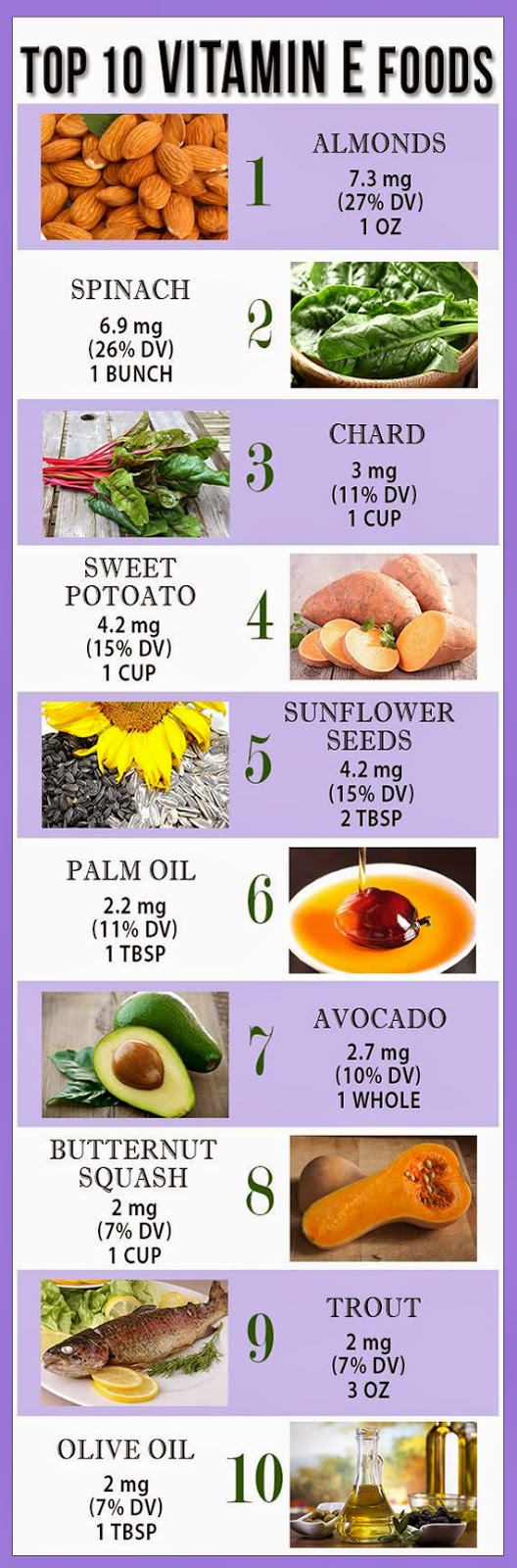
Many nuts, vegetable-based oils, fruits, and vegetables contain vitamin E. Foods rich in vitamin E include wheat germ oil (26.2 mg/tbsp), wheat germ cereal (19.5 mg/cup), peanuts (6.32 mg/half cup), soybeans (3.19 mg/cup), corn oil (2.87/tbsp), avocado (2.69 mg), and olive oil (1.68 mg/tbsp.). Grapes, peaches, broccoli, Brussels sprouts, eggs, tomatoes, and blackberries are also good sources of vitamin E. Fresh, raw foods contain the highest levels of the vitamin.

Both heat and light can reduce vitamin and mineral potency in fresh foods, so overcooking and improper storage should be avoided. Sliced and chopped foods have more of their surface exposed to light, therefore keeping vegetables and fruits whole may also help to maintain full vitamin potency.

For individuals considered at risk for vitamin E deficiency, or those with an inadequate dietary intake, vitamin E supplements are available in a variety of different forms, including pills, capsules, powders, and liquids for oral ingestion.

For topical use, vitamin E is available in ointments, creams, lotions, and oils. Vitamin E is also available commercially as one ingredient of a multivitamin formula.

The recommended daily dosage of vitamin E varies by individual need and by the amount of polyunsaturated fats an individual consumes.

The more polyunsaturated fats in the diet, the higher the recommended dose of vitamin E, because vitamin E helps to prevent the oxidizing effects of these fats. Because vitamin E is fat soluble, supplements should always be taken with food.

Supplements are also available in either natural or synthetic formulations. Natural forms are extracted from wheat germ oil and other vitamin E food sources, and synthetic forms are extracted from petroleum oils. Natural formulas can be identified by a d prefix on the name of the vitamin (i.e., d-alpha-tocopherol).

Precautions

Overdoses of vitamin E (over 536 mg) can cause nausea, diarrhea, headache, abdominal pain, bleeding, high blood pressure, fatigue, and weakened immune system function.

Patients with rheumatic heart disease, iron deficiency anemia, hypertensionVitamin, or thyroid dysfunction should consult their healthcare provider before starting vitamin E supplementation, as vitamin E may have a negative impact on these conditions.

Side effects

Vitamin E is well-tolerated, and side effects are rare. However, in some individuals who are vitamin K deficient, vitamin E may increase the risk for hemorrhage or bleeding. In some cases, side effects may be decreased or eliminated by adjusting the dosage of vitamin E and vitamin K.

Although the reasons are not yet clear, high intake of vitamin E has been associated with a statistically significant increased risk of breast cancer in men.

Vitamin E ointments, oils, or creams may trigger an allergic reaction known as contact dermatitis. Individuals who are considering using topical vitamin E preparations for the first time, or who are switching the type of vitamin E product they use, should perform a skin patch test to check for skin sensitivity to the substance.

A small, dime sized drop of the product should be applied to a small patch of skin inside the elbow or wrist. The skin patch should be monitored for 24 hours to ensure no excessive redness, irritation, or rash occurs.

If a reaction does occur, it may be in response to other ingredients in the topical preparation, and the test can be repeated with a different vitamin E formulation. Individuals who experience a severe reaction to a skin patch test of vitamin E are advised not to use the product topically. A dermatologist or other healthcare professional may be able to recommend a suitable alternative.

Interactions

Individuals who take anticoagulant (blood thinning) or anticonvulsant medications should consult their healthcare provider before starting vitamin E supplementation. Vitamin E can alter the efficacy of these drugs.

It is important for persons taking supplemental vitamin E to tell their surgeon if they are scheduled for an operation. Vitamin E may interact with some of the medications given prior to or during surgery; it has also been shown to increase bleeding time if the patient is taking such other herbal preparations as feverfew or gingko bilobaVitamin.

Non-heme, inorganic iron supplements destroy vitamin E, so individuals taking iron supplements should space out their doses (e.g., iron in the morning and vitamin E in the evening).

Large doses of vitamin A can decrease the absorption of vitamin E, so dosage adjustments may be necessary in individuals supplementing with both vitamins.

Alcohol and mineral oil can also reduce vitamin E absorption, and these substances should be avoided if possible in vitamin E deficient individuals.

Vitamin
Vitamin E source

is
Vitamin D

Vitamin D, also known as calciferol, is essential for strong teeth and bones. There are two major forms of vitamin D: D2 or ergocalciferol and D3 or cholecarciferol.

Vitamin D can be synthesized by the body in the presence of sunlight, as opposed to being required in the diet. It is the only vitamin whose biologically active formula is a hormone.

It is fat-soluble, and regulates the body’s absorption and use of the minerals calciumis and phosphorus. Vitamin D is important not only to the maintenance of proper bone density, but to the many calcium-driven neurologic and cellular functions, as well as normal growth and development.

isis

It also assists the immune system by playing a part in the production of a type of white blood cell called the monocyte. White blood cells are infection fighters. There are many chemical forms of vitamin D, which have varying amounts of biological activity.

General use

The needed amount of vitamin D is expressed as an Adequate Intake (AI) rather than an Required Daily Amount (RDA). This is due to a difficulty in quantifying the amount of the vitamin that is produced by the body with exposure to sunlight. Instead, the AI estimates the amount needed to be eaten in order to maintain normal function.

It is measured in International Units (IU) and there are 40 IU in a microgram (mcg). The AI for vitamin D in the form of cholecarciferol or ergocalciferol for everyone under 50 years of age, including pregnant and lactating women, is 200 IU.

It goes up to 400 IU for people 51-70 years old, and to 600 IU for those over age 70. A slightly higher dose of vitamin D, even as little as a total of 700 IU for those over age 65, can significantly reduce age-related fractures when taken with 500 mg of calcium per day.

One of the major uses of vitamin D is to prevent and treat osteoporosis. This disease is essentially the result of depleted calcium, but calcium supplements alone will not prevent it since vitamin D is required to properly absorb and utilize calcium.

Taking vitamin D without the calcium is also ineffective. Taking both together may actually increase bone density in postmenopausal womenis, who are most susceptible to bone loss and complications such as fractures.

Osteomalacia and rickets are also effectively prevented and treated through adequate vitamin D supplementation. Osteomalacia refers to the softening of the bones that occurs in adults that are vitamin D deficient. Rickets is the syndrome that affect deficient children, causing bowed legs, joint deformities, and poor growth and development.

Vitamin D also has a part in cancer prevention, at least for colon cancer. A deficiency increases the risk of this type of cancer, but there is no advantage to taking more than the AI level. There may also be a protective effect against breast and prostate cancer, but this is not as well established.

Studies are in progress to see if it can help to treat leukemia and lymphoma. The action of at least one chemotherapeutic drug, tamoxifen, appears to be improved with small added doses of vitamin D. Tamoxifenis is commonly used to treat ovarian, uterine, and breast cancers.

Many older adults are deficient in vitamin D. This can affect hearing by causing poor function of the small bones in the ear that transmit sound. If this is the cause of the hearing loss, it is possible that supplementation of vitamin D can act to reverse the situation.

Some metabolic diseases are responsive to treatment with specific doses and forms of vitamin D. These include Fanconi syndrome and familial hypophosphatemia, both of which result in low levels of phosphate. For these conditions, the vitamin is given in conjunction with a phosphate supplement to aid in absorption.

A topical form of vitamin D is available, and can be helpful in the treatment of plaque-type psoriasis. It may also be beneficial for those with vitiligo or scleroderma.

This cream, in the form of calcitriol, is not thought to affect internal calcium and phosphorus levels. Oral supplements of vitamin D are not effective for psoriasis. The cream is obtainable by prescription only.

Evidence does not support the use of vitamin D to treat alcoholism, acne, arthritis, cystic fibrosis, or herpes.

Preparations

Natural sources

is
Exposure to sunlight is the primary method of obtaining vitamin D

Exposure to sunlight is the primary method of obtaining vitamin D. In clear summer weather, approximately ten minutes per day in the sun will produce adequate amounts, even when only the face is exposed. In the winter, it may require as much as two hours.

Many people don’t get that amount of winter exposure, but are able to utilize the vitamin that was stored during extra time in the sun over the summer. Sunscreenis blocks the ability of the sun to produce vitamin D, but should be applied as soon as the minimum exposure requirement has passed, in order to reduce the risk of skin cancer.

The chemical 7-dehydrocholesterol in the skin is converted to vitamin D3 by sunlight. Further processing by first the liver, and then the kidneys, makes D3 more biologically active.

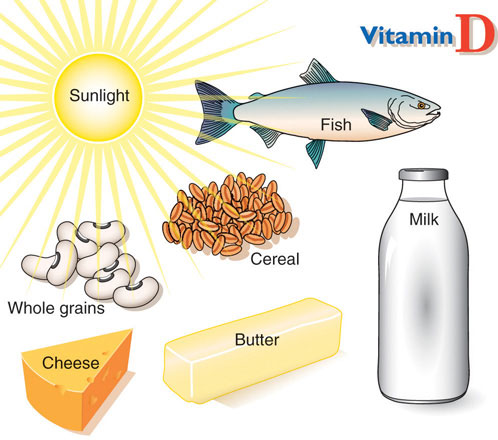
Since it is fat-soluble, extra can be stored in the liver and fatty tissues for future use. Vitamin D is naturally found in fish liver oils, butter, eggs, and fortified milk and cereals in the form of vitamin D2.

Milk products are the main dietary source for most people. Other dairy products are not a good supply of vitamin D, as they are made from unfortified milk. Plant foods are also poor sources of vitamin D.

Supplemental sources

Most oral supplements of vitamin D are in the form of ergocalciferol. It is also available in topical (calcitriol or calcipotriene), intravenous (calcitriol), or intramuscular (ergocalciferol) formulations.

Products designed to be given by other than oral routes are by prescription only. As with all supplements, vitamin D should be stored in a cool, dry place, away from direct light, and out of the reach of children.

Deficiency

In adults, a mild deficiency of vitamin D may be manifested as loss of appetite and weight, difficulty sleeping, and diarrhea. A more major deficiency causes osteomalacia and muscle spasm.

The bones become soft, fragile, and painful as a result of the calcium depletion. This is due to an inability to properly absorb and utilize calcium in the absence of vitamin D. In children, a severe lack of vitamin D causes rickets.

Risk factors for deficiency

The most likely cause of vitamin D deficiency is inadequate exposure to sunlight. This can occur with people who don’t go outside much, those in areas of the world where pollution blocks ultraviolet (UV) light or where the weather prohibits spending much time outdoors.

Glass filters out the rays necessary for vitamin formation, as does sunscreen. Those with dark skin may also absorb smaller amounts of the UV light necessary to effect conversion of the vitamin.

is
Vitamin D and your body

In climates far to the north, the angle of the sun in winter may not allow adequate UV penetration of the atmosphere to create D3 Getting enough sun in the summer, and a good dietary source, should supply enough vitamin D to last through the winter.

Vegans, or anyone who doesn’t consume dairy products in combination with not getting much sun is also at higher risk, as are the elderly, who have a decreased ability to synthesize vitamin D.

Babies are usually born with about a nine-month supply of the vitamin, but breast milk is a poor source. Those born prematurely are at an increased risk for deficiency of vitamin D and calcium, and may be prone to tetany. Infants past around nine months old who are not getting vitamin D fortified milk or adequate sun exposure are at risk of deficiency.

People with certain intestinal, liver and kidney diseases may not be able to convert vitamin D3 to active forms, and may need at activated type of supplemental vitamin D.

Those taking certain medications may require supplements, including anticonvulsants, corticosteroids, or the cholesterol-lowering medications cholestyramine or colestipol.

This means that people who are on medication for arthritis, asthma, allergies, autoimmune conditions, high cholesterol, epilepsy, or other seizure problems should consult with a healthcare practitioner about the advisability of taking supplemental vitamin D.

As with some other vitamins, the abuse of alcohol also has a negative effect. In the case of vitamin D, the ability to absorb and store it is diminished by chronic overuse of alcohol products.

Populations with poor nutritional status may tend to be low on vitamin D, as well as other vitamins. This can be an effect of poor sun exposure, poor intake, or poor absorption.

A decreased ability to absorb oral forms of vitamin D may result from cystic fibrosis or removal of portions of the digestive tract.

Other groups who may need higher than average amounts of vitamin D include those who have recently had surgery, major injuries, or burns. High levels of stress and chronic wasting illnesses also tend to increase vitamin requirements.

Precautions

The body will not make too much vitamin D from overexposure to sun, but since vitamin D is stored in fat, toxicity from supplemental overdose is a possibility.

Symptoms are largely those of hypercalcemia, and may include high blood pressure, headache, weakness, fatigue, heart arrhythmia, loss of appetite, nausea, vomiting, diarrhea, constipation, dizziness, irritability, seizures, kidney damage, poor growth, premature hardening of the arteries, and pain in the abdomen, muscles, and bones.

If the toxicity progresses, itching and symptoms referable to renal disease may develop, such as thirst, frequent urination, proteinuria, and inability to concentrate urine. Overdoses during pregnancy may cause fetal abnormalities. Problems in the infant can include tetany, seizures, heart valve malformation, retinal damage, growth suppression, and mental retardation.

Pregnant women should not exceed the AI, and all others over one year of age should not exceed a daily dose of 2000 IU. Infants should not exceed 1000 IU. These upper level doses should not be used except under the advice and supervision of a healthcare provider due to the potential for toxicity.

Individuals with hypercalcemia, sarcoidosis, or hypoparathyroidism should not use supplemental calciferol. Those with kidney disease, arteriosclerosis, or heart disease should use ergocalciferol only with extreme caution and medical guidance.

is
infographic about Vitamin D

Side effects

Minor side effects may include poor appetite, constipation, dry mouth, increased thirst, metallic taste, or fatigue. Other reactions, which should prompt a call to a healthcare provider, can include headache, nausea, vomiting, diarrhea, or confusion.

Interactions

The absorption of vitamin D is improved by calcium, choline, fats, phosphorus, and vitamins A and C. Supplements should be taken with a meal to optimize absorption.

There are a number of medications that can interfere with vitamin D levels, absorption, and metabolism. Rifampin, H2 blockers, barbiturates, heparin, isoniazid, colestipol, cholestyramine, carbamazepine, phenytoin, fosphenytoin, and phenobarbital reduce serum levels of vitamin D and increase metabolism of it.

Anyone who is on medication for epilepsy or another seizure disorder should check with a healthcare provider to see whether it is advisable to take supplements of vitamin D.

Overuse of mineral oil, Olestra, and stimulant laxatives may also deplete vitamin D. Osteoporosis and hypocalcemia can result from long-term use of corticosteroids. It may be necessary to take supplements of calcium and vitamin D together with this medication.

The use of thiazide diuretics in conjunction with vitamin D can cause hypercalcemia in individuals with hypoparathyroidism. Concomitant use of digoxin or other cardiac glycosides with vitamin D supplements may lead to hypercalcemia and heart irregularities.

The same caution should be used with herbs containing cardiac glycosides, including black hellebore, Canadian hemp, digitalis, hedge mustard, figwort, lily of the valley, motherwort, oleander, pheasant’s eye, pleurisy, squill, and strophanthus.

is
Vitamin C
Vitamin C, or ascorbic acid, is naturally produced in fruits and vegetables. The vitamin, which can be taken in dietary or supplementary form, is absorbed by the intestines.

That which the body cannot absorb is excreted in the urine. The body stores a small amount, but daily intake, preferably in dietary form, is recommended for optimum health.

Certain health conditions may cause vitamin C depletion, including diabetes and high blood pressure. People who smoke and women who take estrogen may also have lower vitamin C levels. In addition, men are more likely to be vitamin C depleted, as are the elderly. High stress levels have also been linked to vitamin C deficiency.

In addition, certain medical and surgical procedures may lower the levels of vitamin C in the body. It has been found that hemodialysis causes patients with kidney disease to lose as much as 66 mg per session. Similarly, patients who have had kidney transplants are at increased risk of vitamin C deficiency.

isis

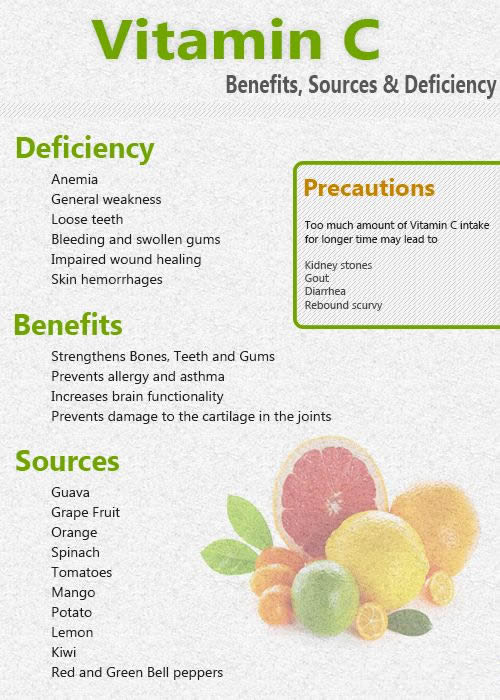
Severe vitamin C deficiency leads to scurvy, a disease common on ships prior to the eighteenth century, due to the lack of fresh fruits and other dietary vitamin C sources. Symptoms of scurvy include weakness, bleeding, tooth loss, bleeding gums, bruising, and joint pain.

Less serious vitamin C depletion can have more subtle effects such as weight loss, fatigue, weakened immune system (as demonstrated by repeated infections and colds), bruises that occur with minor syok and are slow to heal, and slow healing of other wounds.

Low vitamin C levels have also been associated with high blood pressure, increased heart attack risk, increased risk for developing cataracts, and a higher risk for certain types of cancer (i.e., prostate, stomach, colon, oral, and lung).

General use

Vitamin C is a critical component of both disease prevention and of basic body building processes. The therapeutic effects of vitamin C include:

  • Allergy and asthma relief. Vitamin C is present in the lung’s airway surfaces, and insufficient vitamin C levels have been associated with bronchial constriction and reduced lung function. Some studies have associated vitamin C supplementation with asthmatic symptom relief, but results have been inconclusive and further studies are needed.
  • Cancer prevention. Vitamin C is a known antioxidant and has been associated with reduced risk of stomach, lung, colon, oral, and prostate cancer.
  • Cataract prevention. Long-term studies on vitamin C supplementation and cataract development have shown that supplementation significantly reduces the risk of cataracts, particularly among women. One study published in 2002 found that adequate vitamin C intake in women under 60 years of age reduced their risk of developing cataracts by 57%.
  • Collagen production. Vitamin C assists the body in the manufacture of collagen, a protein that binds cells together and is the building block of connective tissues throughout the body. Collagen is critical to the formation and ongoing health of the skin, cartilage, ligaments, corneas, and other bodily tissues and structures. Vitamin C is also thought to promote faster healing of wounds and injuries because of its role in collagen production.
  • Diabetes control. Vitamin C supplementation may assist diabetics in controlling blood sugar levels and improving metabolism.
  • Gallbladder disease prevention. A study of over 13,000 subjects published in the Archives in Internal Medicine found that women who took daily vitamin C supplements were 34% less likely to contract gallbladder disease and gallstones, and that women deficient in ascorbic acid had an increased prevalence of gallbladder disease.
  • Immune system booster. Vitamin C increases white blood cell production and is important to immune system balance. Studies have related low vitamin C levels to increased risk for infection. Vitamin C is frequently prescribed for HIV-positive individuals to protect their immune system.
  • Neurotransmitter and hormone building. Vitamin C is critical to the conversion of certain substances into neurotransmitters, brain chemicals that facilitate the transmission of nerve impulses across a synapse (the space between neurons, or nerve cells).

Such neurotransmitters as serotonin, dopamine, and norepinephrine are responsible for the proper functioning of the central nervous system, and a deficiency of neurotransmitters can result in psychiatric illness. Vitamin C also helps the body manufacture adrenal hormones.

Other benefits of vitamin C are less clear cut and have been called into question with conflicting study results. These include vitamin C’s role in treating the common cold, preventing heart disease, and treating cancer.

Respiratory health

Doses of vitamin C may reduce the duration and severity of cold symptoms, particularly in people who are vitamin C deficient.

The effectiveness of vitamin C therapy on colds seems to be related to the person’s dietary vitamin C intake and their general health and lifestyle. In addition, however, other researchers have found that vitamin C is associated with improved lung function and overall respiratory health.

Heart disease prevention

Some studies have indicated that vitamin C may prevent heart disease by lowering total blood cholesterol and LDL cholesterol and raising HDL, or good cholesterol, levels.

The antioxidant properties of vitamin C have also been associated with protection of the arterial lining in patients with coronary artery disease. A study published in 2002 reported that the protective effects of vitamin C on the lining of the arteries reduces the risk of heart disease in patients who have received heart transplants.

On the other hand, the results of a recent study conducted at the University of Southern California and released in early 2000 have cast doubt on the heart protective benefits of vitamin C. The study found that daily doses of 500 mg of vitamin C resulted in a thickening of the arteries in study subjects at a rate 2.5 times faster than normal.

Thicker arterial walls can cause narrow blood vessels and actually increase the risk for heart disease. Study researchers have postulated that the collagen-producing effects of vitamin C could be the cause behind the arterial thickening.

Further studies will be needed to determine the actual risks and benefits of vitamin C in relation to heart disease and to establish what a beneficial dosage might be, if one exists. For the time being, it is wise for most individuals, particularly those with a history of heart disease, to avoid megadoses over 200 mg because of the risk of arterial thickening.

is
Source of vitamin C

Blood pressure control

A 1999 study found that daily doses of 500 mg of vitamin C reduced blood pressure in a group of 39 hypertensive individuals. Scientists have hypothesized that vitamin C may improve high blood pressure by aiding the function of nitric oxideis, a gas produced by the body that allows blood vessels to dilate and facilitates blood flow.

Again, recent findings that vitamin C may promote arterial wall thickening seem to contradict these findings, and further long-term studies are needed to assess the full benefits and risks of vitamin C in relation to blood pressure control.

Cancer treatment

Researchers disagree on the therapeutic use of vitamin C in cancer treatmentis. On one hand, studies have shown that tumors and cancer cells absorb vitamin C at a faster rate than normal cells because they have lost the ability to transport the vitamin.
In addition, radiation and chemotherapy work in part by stimulating oxidation and the growth of free radicals in order to stop cancer cell growth. Because vitamin C is an antioxidant, which absorbs free radicals and counteracts the oxidation process, some scientists believe it could be counterproductive to cancer treatments.

The exact impact vitamin C has on patients undergoing chemotherapy and other cancer treatments is not fully understood, and for this reason many scientists believe that vitamin C should be avoided by patients undergoing cancer treatment.

On the other side of the debate are researchers who believe that high doses of vitamin C can protect normal cells and inhibit the growth of cancerous ones. In lab-based, in vitro studies, cancer cells were killed and/or stopped growing when large doses of vitamin C were administered.

Researchers postulate that unlike normal healthy cells, which will take what they need of a vitamin and then discard the rest, cancer cells continue to absorb antioxidant vitamins at excessive rates until the cell structure is effected, the cell is killed, or cell growth simply stops. However, it is important to note that there have been no in vivo controlled clinical studies to prove this theory.

Based on the currently available controlled clinical data, cancer patients should avoid taking vitamin C supplementation beyond their recommended daily allowance.

Preparations

The U.S. recommended dietary allowance (RDA) of vitamin C was changed in 2000 to reflect growing recognition of the importance of vitamin C in the diet as an antioxidant as well as a protection against deficiency.

The new values are as follows:
  • men: 90 mg
  • women: 75 mg
  • pregnant women: 80 mg
  • lactating women: 95 mg
  • smokers: should consume an additional 35 mg

The National Academy of Sciences also established for the first time an upper limit (UL), or maximum daily dose, of 2,000 mg. Daily values for the vitamin as recommended by the U.S. Food and Drug Administration, the values listed on food and beverage labeling, remain at 60 mg for both men and women age four and older.

Many fruits and vegetables, including citrus fruits and berries, are rich in vitamin C. Foods rich in vitamin C include raw red peppers (174 mg/cup), guava (165 mg/fruit), orange juice (124 mg/cup), and black currants (202 mg/cup).

Rose hips, broccoli, tomatoes, strawberries, papaya, lemons, kiwis, and people. Fresh, raw fruits and vegetables contain the highest levels of the vitamin.

Both heat and light can reduce vitamin C potency in fresh foods, so overcooking and improper storage should be avoided. Sliced and chopped foods have more of their surface exposed to light, so keeping vegetables and fruits whole may also help to maintain full vitamin potency.

is
Vitamin C Infographic

Vitamin C supplements are another common source of the vitamin. Individuals at risk for vitamin C depletion such as smokers, women who take birth control pillsis, and those with unhealthy dietary habits may benefit from a daily supplement. Supplements are available in a variety of different forms including pills, capsules, powders, and liquids. Vitamin C formulas also vary.

Common compounds include ascorbic acid, calcium ascorbate, sodium ascorbate, and C complex. The C complex compound contains a substance called bioflavonoids, which may enhance the benefits of vitamin C. Vitamin C is also available commercially as one ingredient of a multivitamin formula.

The recommended daily dosage of vitamin C varies by individual need, but an average daily dose might be 200 mg. Some healthcare providers recommend megadoses (up to 40 g) of vitamin C to combat infections.

However, the efficacy of these megadoses has not been proven, and in fact, some studies have shown that doses above 200 mg are not absorbed by the body and are instead excreted.

Precautions

Overdoses of vitamin C can cause nausea, diarrhea, stomach cramps, skin rashesis, and excessive urination.

Because of an increased risk of kidney damage, persons with a history of kidney disease or kidney stones should never take dosages above 200 mg daily, and should consult with their healthcare provider before starting vitamin C supplementation.

A 1998 study linked overdoses (above 500 mg) of vitamin C to cell and DNA damage. However, other studies have contradicted these findings, and further research is needed to establish whether high doses of vitamin C can cause cell damage.

Side effects

Vitamin C can cause diarrhea and nausea. In some cases, side effects may be decreased or eliminated by adjusting the dosage of vitamin C.

Interactions

Vitamin C increases iron absorption, and is frequently prescribed with or added to commercial iron supplements for this reason.

Individuals taking anticoagulant, or blood thinning, medications should speak with their doctor before taking vitamin C supplements, as large doses of vitamin C may impact their efficacy.

Large amounts of vitamin C may increase estrogen levels in women taking hormone supplements or birth control medications, especially if both the supplement and the medication are taken simultaneously. Women should speak with their doctor before taking vitamin C if they are taking estrogen-containing medications.

Estrogen actually decreases absorption of vitamin C, so larger doses of vitamin C may be necessary. A healthcare provider can recommend proper dosages and the correct administration of medication and supplement.

Persons who take aspirin, antibiotics, and/or steroids should consult with their healthcare provider about adequate dosages of vitamin C. These medications can increase the need for higher vitamin C doses.

Large dosages of vitamin C can cause a false-positive result in tests for diabetes.

Eight
Vitamin B Complex

The vitamin B complex consists of 12 related water-soluble substances. Eight are considered essential vitamins because they need to be included in the diet. Four are not essential because the body can synthesize them.

Although these vitamins are chemically distinct, they are grouped together because they are found with one another in the same foods. Since they are water-soluble, most are not stored for any length of time, and must be replenished daily.

The eight vitamins have both names and corresponding numbers. They are:
  • B1 (thiamin)
  • B2 (riboflavin)
  • B3 (niacin)
  • B5 (pantothenic acid)
  • B6 (pyridoxine)
  • B7 (biotin)
  • B9 (folic acid)
  • B12 (cobalamin)
EightEight

Biotin is not always included among B complex supplements. The numbers that appear to have been skipped were found to be duplicate substances or non-vitamins. The four unnumbered components of the B complex that can be synthesized by the body are choline, inositol, PABA, and lipoic acid.

As a group, the B vitamins have a broad range of functions, including the maintenance of myelin, which is the covering of nerve cells. A breakdown of myelin can cause a large and devastating variety of neurologic symptoms.

B vitamins are also key to producing energy from nutrients that are consumed. Three members of this group—folic acid, pyridoxine, and cobalamin—work together to keep homocysteine levels low. This is quite important, since high homocysteine levels are associated with heart disease.

Some B vitamins prevent certain birth defects (including cleft palate and neural tube defects), maintain healthy red blood cells, support immune function, regulate cell growth, aid in hormone production, and may have a role in preventing certain types of cancer. They also help maintain healthy skin, hair, and nails.

General use

There are many claims regarding the usefulness of various B vitamins. Thiamine is thought to be supportive for people with Alzheimer’s disease, a disorder that is also associated with low levels of pyridoxine and cobalamin. High doses of niacin lower cholesterol, and balance high-density (HDL) and low-density (LDL) lipoproteins.

This should be done under medical supervision only. Some evidence shows that niacin may prevent juvenile diabetes (type 1, insulin dependent) in at-risk children. It may maintain pancreatic excretion of some insulin for a longer time than would occur normally.

Eight
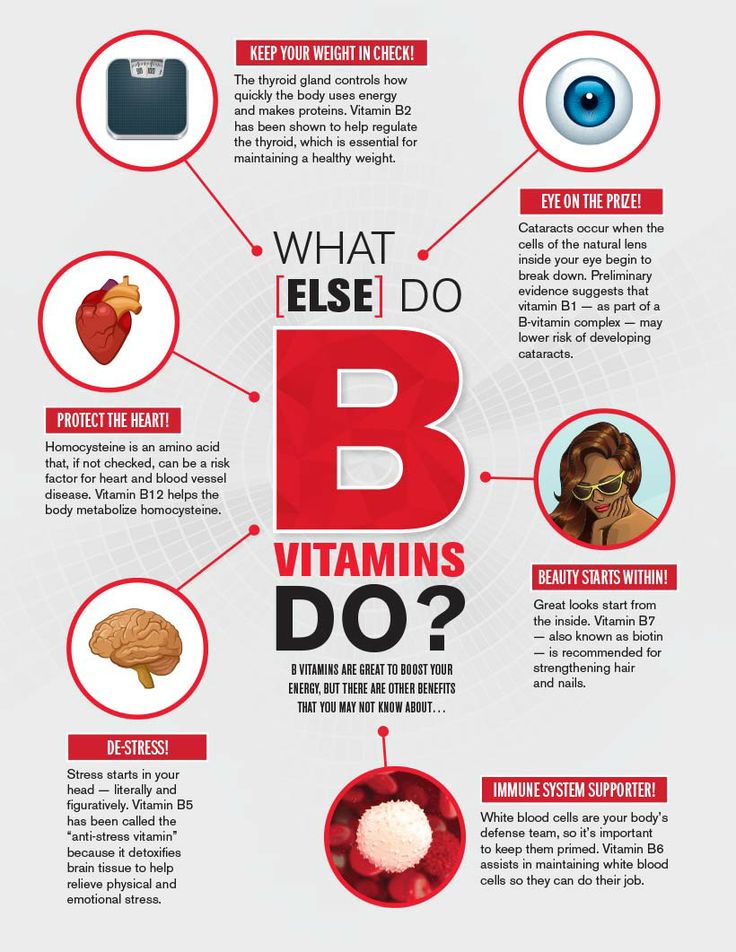
What else do B vitamins do?

Niacin has also been used to relieve intermittent claudication and osteoarthritis,although the dose for the latter may lead to liver problems. The frequency of migraines may be significantly reduced, and the severity decreased, by the use of supplemental riboflavin.

Pyridoxine is used therapeutically to lower the risk of heart disease, to relieve nausea associated with morning sickness, and to treat premenstrual syndrome (PMS). In conjunction with magnesium, pyridoxine may have some beneficial effects on the behavior of children with autism.

Cobalamin supplementation has been shown to improve male fertility. Depression, dementia, and mental impairment are often associated with deficiencies of both cobalamin and folic acid. Folic acid may reduce the odds of cervical or colon cancer in certain risk groups.

Deficiency

Vitamin B complex is most often used to treat deficiencies that are caused by poor vitamin intake, difficulties with vitamin absorption, or conditions causing increased metabolism, such as hyperthyroidism, which deplete vitamin levels at a higher than normal rate.

Biotin and pantothenic acid are rarely deficient since they are broadly available in foods, but often persons lacking one type of B vitamin are lacking other B components as well. An individual who may have symptoms due to an inadequate level of one vitamin may suffer from an undetected underlying deficiency as well.

One possibility of particular concern is that taking folic acid supplements can cover up the symptoms of cobalamin deficiency. This scenario could result in permanent neurologic damage if the cobalamin shortage remains untreated.

Some of the B vitamins have unique functions within the body that allow a particular deficiency to be readily identified. Often, however, they work in concert so symptoms due to various inadequate components may overlap.

Eight
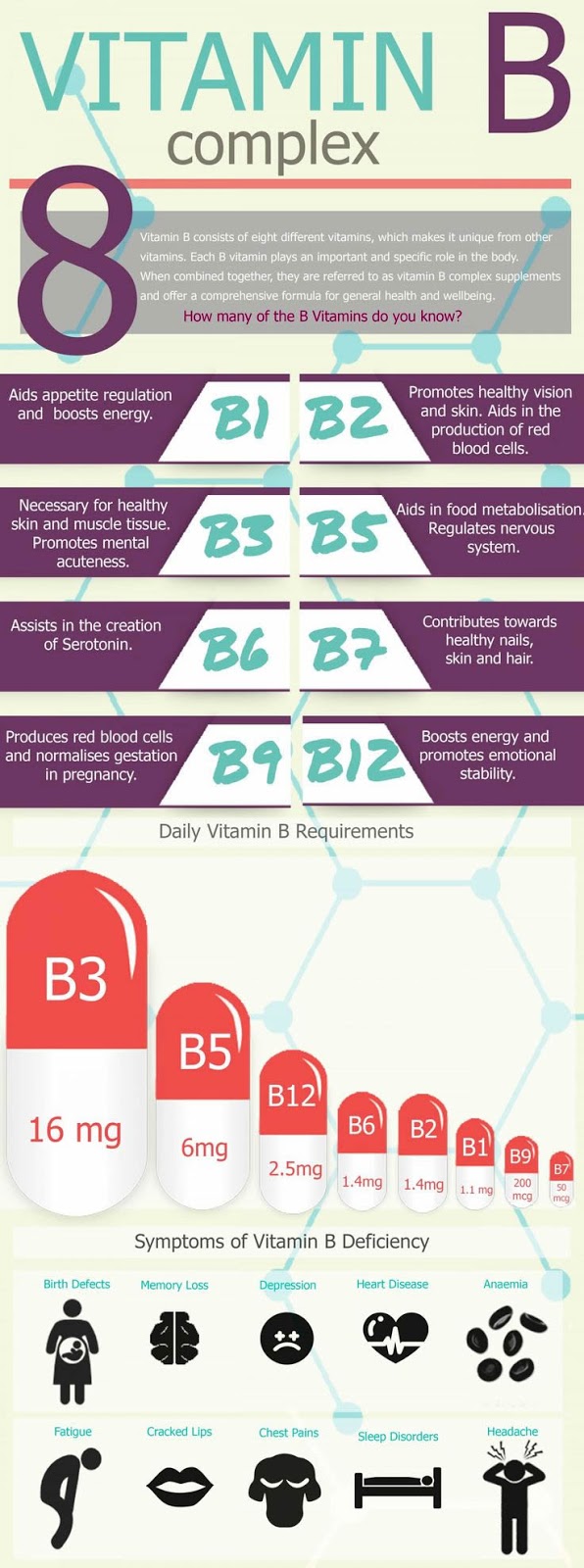
Vitamin B Complex Infographic

In general, poor B vitamin levels will cause profound fatigue and an assortment of neurologic manifestations, which may include weakness, poor balance, confusion, irritability, memory lossEight, nervousness, tingling of the limbs, and loss of coordination.

Depression may be an early sign of significantly low levels of pyridoxine, as well as other B vitamins. Additional symptoms of vitamin B deficiency are sleep disturbances, nausea, poor appetite, frequent infections, and skin lesions.

A certain type of anemia (megaloblastic) is an effect of inadequate cobalamin. This anemia can also occur if a person stops secreting enough intrinsic factor in the stomach.

Intrinsic factor is essential for the absorption of cobalamin. A lack of intrinsic factor also leads to pernicious anemia, so called because it persists despite iron supplementation. Neurologic symptoms often precede anemia when cobalamin is deficient.

A severe and prolonged lack of niacin causes a condition called pellagra. The classic signs of pellagra are dermatitis, dementia, and diarrhea. It is very rare now, except in alcoholics, strict vegans, and people in areas of the world with very poor nutrition.

Thiamine deficiency is similarly rare, except among the severely malnourished and alcoholics. A significant depletion causes a condition known as beriberi, which can cause weakness, leg spasms, poor appetite, and loss of coordination.

Wernicke-Korsakoff syndrome is the most severe form of deficiency, and occurs in conjunction with alcoholism. Early stages of neurologic symptoms are reversible, but psychosis and death may occur if the course is not reversed.

Risk factors for deficiency

People are at higher risk for deficiency if they have poor nutritional sources of B vitamins, take medications, or have conditions that impair absorption, or are affected by circumstances causing them to require above-normal levels of vitamin B components. Since the B vitamins often work in harmony, a deficiency in one type may have broad implications.

Poor intake of B vitamins is most often a duduk perkara in strict vegetarians and the elderly. People who frequently fast or diet may also benefit from B vitamin supplements. Vegans need to use brewer’s yeast or other sources of supplemental cobalamin, since the only natural sources are meats.

Risk factors that may decrease absorption of some B vitamins include smoking; excessive use of alcohol; surgical removal of portions of the digestive tract; and advanced age. Absorption is also impaired by some medications.

Some of the drugs that may cause decreased absorption are corticosteroidsEight, colchicine, metformin, phenformin, omeprazol, colestipol, cholestyramine, methotrexate, 5-fluorouracil, tricyclic antidepressants, and slow-release potassium.

A person’s requirement for vitamin B complex may be increased by such conditions as pregnancy, breastfeeding, emotional stress, and physical stress due to surgery or injury. People who are very physically active require extra riboflavin. Use of birth control pills also increases the need for certain B vitamins.

Recent research indicates that children with sickle cell anemia are at high risk for elevated homocysteine levels and pyridoxine deficiency.

Studies of folic acid deficiency caused by cancer chemotherapy indicate that some patients are at greater risk than others due to genetic variations in metabolism of the B vitamins. Further research is needed to determine the role of these genetic factors in vitamin deficiency states.

Preparations

Natural sources

Although they are prevalent in many foods, fresh meats and dairy products are the best sources for most of the B vitamins. Cobalamin is only found naturally in animal source foods.

Freezing of food and exposing foods or supplements to light may destroy some of the vitamin content. Dark-green leafy vegetables are an excellent source of folic acid. To make the most of the B vitamins contained in foods, they should not be overcooked. It is best to steam vegetables, rather than boil or simmer them.

Supplemental sources

B vitamins are generally best taken in balanced complement, unless there is a specific deficiency or need for an individual vitamin. An excess of one component may lead to depletion of the others.

Injectable and oral forms of supplements are available. The injectable types may be more useful for those with deficiencies due to problems with absorption. B complex products vary in terms of components and dose level contained within them.

Individual components are also available as supplements. These are best used with the advice of a health care professional. Some are valuable when addressing specific problems such as pernicious anemia. Strict vegetarians will need to incorporate a supplemental source of B12 in their diets.

Precautions

In many cases, large doses of water-soluble vitamins can be taken with no ill effects since excessive amounts are readily excreted. However, liver inflammation may occur when niacin is taken at daily doses of over 500 mg. This duduk perkara occurs more often at doses six times as high.

It is generally reversible once the supplementation is stopped. Niacin may also cause difficulty in controlling blood sugar in diabetics. It can increase uric acid levels, which will aggravate gout. Those with ulcers could be adversely affected, as niacin increases the production of stomach acid.

Niacin also lowers blood pressure due to its vasodilatory effect, so it should not be taken in conjunction with medications that treat high blood pressure. If a form of niacin known as inositol hexaniacinate is taken, the beneficial effects on cholesterol are maintained without incurring the problems of flushing, gout, and ulcers.

High doses of pyridoxine may cause liver inflammation or permanent nerve damage. Megadoses of this vitamin are not necessary or advisable.

Thoseon medications for seizures, high blood pressure, and Parkinson’s disease are at increased risk for interactions. Persons who have chronic health conditions, or take other medications, should seek the advice of a health professional before beginning any jadwal of supplementation.

Side effects

In large amounts, niacin commonly causes flushing and headache, although this can be avoided by taking it in the form of inositol hexaniacinate. Large doses of riboflavin result in very bright yellow urine.

Interactions

Some medications may be affected by B vitamin supplementation, including those prescribed for high blood pressure; Parkinson’s disease (such as levodopa, which is inactivated by pantothenic acid); and epileptiform conditions.

Folic acid interacts with Dilantin (a brand name for phenytoin sodium), as well as other anticonvulsants. Large amounts of vitamin C taken within an hour of vitamin B supplements will destroy the cobalamin component. Niacin may interfere with control of blood sugar in people on antidiabetic drugs.

Isoniazid, a medication to treat tuberculosis, can impair the proper production and utilization of niacin. Antibiotics potentially decrease the level of some B vitamins by killing the digestive tract bacteria that produce them.

Contact Form

Name

Email *

Message *

Powered by Blogger.