Latest Post

Though
Wintergreen

Though several different plants are called by this name, true wintergreen is Gaultheria procumbens, a lowgrowing species of shrub common in sandy coastal regions and woodlands of eastern North America from Georgia to New Foundland.

It is a member of the heath, or Ericaceae, family. Other names by which wintergreen is known include aromatic wintergreen, boxberry, Canada tea, checkerberry, deerberry, ground berry, mountain tea, partidgeberry, spice berry, teaberry, and wax cluster.

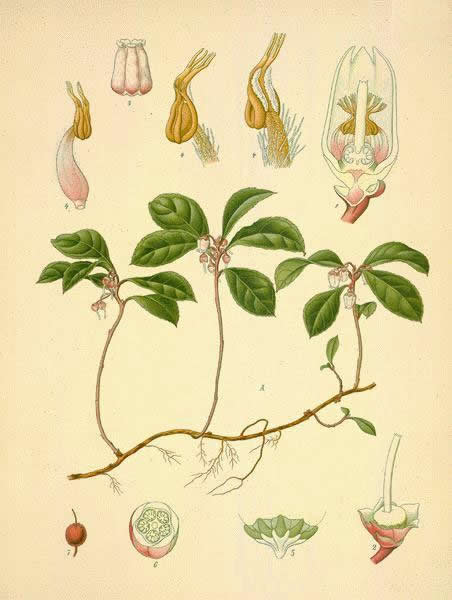
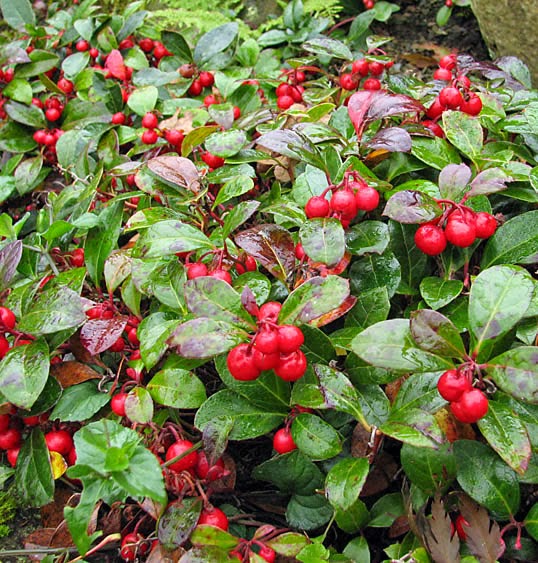
Wintergreen plants have creeping underground stems from which small reddish stalks grow, normally less than 6 in (15 cm) high. Wintergreen leaves are spoon-shaped and less than 0.5 in (1 cm) in length. They are bright green, shiny, and have a leathery appearance. They are attached in tufts near the tip of a rigid, slender stalk.

ThoughThough

In June or July, wintergreen plants produce tiny wax-like, urn-shaped flowers, which are either white or pink in color. These unusual flowers are often difficult to find because the plant’s leaves and other ground covers on the forest floor hide them so well.

The fruit of the wintergreen, a startlingly brilliant red berry, appears in late autumn through the winter, and is much more visible than the wintergreen flower. Wintergreen is an evergreen plant, and even beneath deep snow it retains its shiny green leaves and scarlet berries.

Wintergreen leaves and berries are edible. In their natural state they have no particularly noticeable odor. The leaves have a tart, spicy, astringent taste, while the berries are sweet, with a unique, pleasant taste, which is often used in flavorings.

Wintergreen leaves were formerly carried in the United States Pharmacopoeia,but now only the oil distilled from them is listed. But in many countries the whole plant is still used.

When wintergreen leaves are distilled, they impart an oil, which is made up of 99% methyl salicylate, the chemical compound upon which all aspirin products are based. Before being distilled, wintergreen leaves have to be steeped in water for nearly a day before the oil will develop through fermentation.

It is only after this fermentation and the chemical reaction of water and one component, gaultherin, that wintergreen emits its characteristic, pleasant aroma. Chemists have learned how to synthetically produce an oil with many of the same properties and a very similar product, also called oil of wintergreen, is extracted from the sweet birch tree, Betula lenta.

Though
Wintergreen flowers

The name wintergreen is also sometimes applied to two other members of the genus Gaultheria, as well as three other unrelated plants:
  • Gaultheria hispidula is also called wintergreen. It is supposed to remove the predisposition to cancer from the body.
  • Gaultheria shallon, sallol, is found in northwest America. Its berries are edible and quite tasty.
  • Pytola rotundiflora is also known as false wintergreen or British wintergreen. It was formerly used as a vulnerary.
  • Chimophila umbellata and Maculata are both called by a variety of names: bitter wintergreen, rheumatism weed, spotted wintergreen, or pipsissewa. North American natives used these two herbs for the treatment of indigestion, rheumatism, scrofula, and as a diuretic.
  • Trientalis europaea, or chickweed wintergreen, is native to England and was used in the past externally in an ointment used in healing wounds, and internally as a tea to treat blood-poisoning and eczema.

General use

Wintergreen oil is used as flavoring for candies, chewing gum, and medicines. With eucalyptus or menthol, it is often used to flavor toothpaste and other dental products. The berry, often called checkerberry, is used for flavoring candies. It is sometimes used as a tea by itself, or combined with tea as a flavoring; hence its name teaberry.

Medicinally, wintergreen leaves are taken internally as a decoction to treat nephritis and bladder problems. It is used as a diuretic, for the treatment of neuralgia, as a systemic tonic, to stimulate menses, and to aid in bringing on lactation after childbirth. It has also been used to relieve children’s headaches. Leaves have also been used for headaches and other pains, and as a gargle for a sore throat and mouth.

Externally, oil of wintergreen is widely used in liniments for the relief of muscular-skeletal pain, both from sports injuries and arthritis. Because of its aromatic and pain-relieving qualities, the oil is used in a number of products in aromatherapy, including stress-reducing pulse point creams, foot scrubs, and balms.

Preparations

Wintergreen leaves can actually be picked at any time of year, but summer is the most opportune time for gathering them. They must be dried in the shade to prevent loss of the volatile oil contained in the leaves, and should be stored in an airtight container in a dark, cool place.

A decoction can be made by mixing 1 c (240 ml) of boiling water with 1 tsp (1.5 g) of the dried wintergreen leaves and allowing the mixture to steep for 15 minutes. This tea may be taken up to three times per day.

Though
Wintergreen and its parts

Oil of wintergreen, as noted previously, is made by first steeping wintergreen leaves in water for at least 24 hours, and then allowing this mixture to ferment and release its oil. Fermentation is known to have occurred when the characteristic wintergreen aroma is released.

This oil is sometimes used externally in dilute solutions in combination with other products such as aloe and lanolin to produce ointments, but either the oil extracted from sweet birch or the synthetic version are more apt to be used.

Precautions

Oil of wintergreen should not be taken internally. In the past, it has been given in a capsule form to treat rheumatism, but excessive doses of it have actually caused death due to severe inflammation of the stomach and gastrointestinal hemorrhage.

Side effects

True oil of wintergreen, distilled from wintergreen leaves, is very rapidly absorbed by the skin and often causes severe skin irritation and painful, hive-like skin eruptions.

is
Wild oat

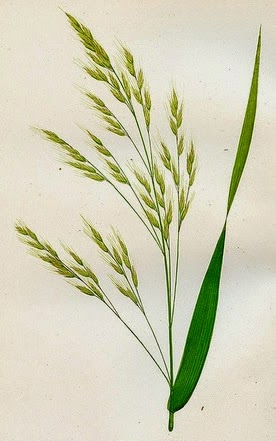
Wild oat (Avena sativa) is a member of the grass family native to Scotland. There are approximately 25 varieties of the oat plants, and oat is now grown throughout the world.

Avena sativa is the species that is used in herbal remedies. The mature seed of the oat plant is used as a cereal grain. However, much of the plant is used to maintain good health and to remedy disease conditions.

Before maturity oat seeds are in a liquid phase, and they are collected for use in tonics that treat nervous conditions. Wild oat is usually in this stage for two weeks during August.

isis

The seeds mature in the late summer and early fall. If harvested then, the seeds are rolled or ground into oatmeal. If the seeds aren’t harvested at that time, they are referred to as groats.

Once the seeds are harvested, the straw from the plant can be cut up and brewed as oatstraw tea. And the husks surrounding the seeds are used as oat bran.

The only part of this grain that is not used in alternative medicine is the root.

Wild oat is also known as oat, groats, oatstraw, and straw.

General use

Avena sativa is Latin for wild oat, a name that does not provide the complete picture of this grain’s use in alternative and conventional medicine. The old saying “sowing your wild oats” is based on the observation that stallions given wild oat experienced greater sex drivesis.

is
wild oat ilustration
Wild oat was thought to have the same effect on men, although that has never been scientifically proven. Nevertheless, dietary supplements containing wild oats are still advertised and sold as boosting the male sex drive.

Wild oat may not be an aphrodisiacis or a means of promoting fertility, but the grain has numerous other health benefits.

In the past, people recovering from illnesses ate oatmeal because it was easily digested. Doctors advised overworked people to drink a beverage consisting of wine and oats. The drink was said to restore nervous energy. Oatmeal also served as a treatment for skin conditions.

In contemporary times, oatmeal is acknowledged as a rich source of bran and fiber. The grain is associated with treating high cholesterol . Whole oatis products with at least 0.02 oz (0.75 g) of soluble fiber in each serving can reduce the risk of heart diseaseis.

The U.S. Food and Drug Administration allowed manufacturers to make that statement, and add that the fiber product must be part of a diet that is low in cholesterol and saturated fat. A study published in the summer of 2002 reported that oat cereal is superior to wheat cereal in lowering LDL cholesterol levels in adult males.

A new use for the beta-glucans (complex carbohydrates) contained in oats is in the manufacture of functional foods for the management of Type 2 (adult-onset) diabetes. Functional foods are a relatively recent category of foods.

They are not currently defined by any government regulatory body, but are commonly understood to be any potentially healthful food or food ingredient that may provide health benefits beyond the traditional nutrients it contains. Functional foods are sometimes called nutraceuticals.

Oat fiber is also used as a substrate, or growing medium, for Lactobacillus and other bacteria that are introduced into the digestive tractis of patients suffering from severe infections of the pancreas.

The “good” bacteria in the intestines help the body to fight off infections elsewhere in the digestive system. The oat fiber provides the bacteria with nourishment without causing any side effects to the patient.

Furthermore, pregnant women can benefit from the calcium and other trace nutrients found in oat straw.

Wild oat is recognized as a natural antidepressant and a mild sedative. It acts like a tonic to the nervous system, providing both nourishment and balance. Oat tea or an oat Bach flower remedy is used as a nervine (preparation given to calm the nerves).

In these capacities, wild oat can be used to treat conditions including headaches, depression, tension, insomnia, anxiety, and feelings of sadness. Wild oat is also a remedy for nerve pain and chronic fatigue.

Oatstraw can be used to ease emotional anxieties and to treat skin conditions such as rashes, psoriasis, burns, eczema, warts, and insect bites.

An oatmeal pack may be used to treat skin conditions. The oatmeal facial is a popular treatment for promoting smoother skin because the textured oat sloughs off dead skin when used as a mask or scrub. An oatstraw bath can provide more relief for skin conditions and neuralgia.

Wild oat is also believed to help with nicotine withdrawal, a remedy recommended by German doctors. The wild oat extract is said to be effective when used for this purpose, and oat cereal is also said to be helpful.

Preparations

Wild oat is available in various forms and is used in various alternative medicine traditions such as homeopathy. Commercial preparations include oatstraw tea, tincture, and the wild oat Bach flower remedy (a liquid concentrate called a stock). The packaged oatmeal sold in the grocery store can also be used for treatments.

Wild oat tea, which is also known as an infusion, is made by pouring 1 c (240 ml) of boiling water over 1–3 tsp (1.5–3 g) of the dried straw. The mixture is steeped for 10–15 minutes and then strained. Wild oat tea should be drunk three times a day.

When wild oat tincture is used, the dosage is 1 oz (1 mL) taken three times a day.

Wild oat can be combined with skullcap and mugwort to provide relief from depression and to improve sleep.

A flower remedy

Flower remedies are liquid concentrates made by soaking flowers in spring water. Also known as flower essences, 38 remedies were developed by homeopathic physician Edward Bach during the 1930s. Bach’s wild oat remedy is taken to resolve conditions such as career anxiety and uneasiness about a lack of direction or commitment.

The daily dosage of the Bach wild oat flower remedy is 2–4 drops (1/8–1/4 ml) taken four times each day. The drops can be placed under the tongue or added to a glass of water. Another remedy is to add some stock to the bath water.

Oat baths

An oatstraw bath can provide relief for irritated skin and neuralgia. A bath is prepared by boiling 1 lb (500 g) of shredded oatstraw in 2 qt (0.95 L) of water. After boiling for 20 minutes, this mixture is strained and used in the bath. Another option is to place cooked rolled oats in a bag and the bag is put in the bath.

Precautions

Wild oat has not been associated with any health risks when taken in proper dosages, according to Physician’s Desk Reference for Herbal Medicines, the 1998 book based on the findings of Germany’s Commission E. The commission is the German counterpart of the U.S. Food and Drug Administration (FDA). The European group’s findings about herbal remedies were published in a 1997 monograph.

However, people diagnosed with gluten sensitivity ( celiac disease) should consult with a doctor or health practitioner to determine if they can safely take wild oat internally.

Side effects

There are no known side effects associated with designated dosages of wild oat.

Interactions

There are no known interactions associated with the use of wild oat and other medications or herbs.

is
White willow (Salix alba)

White willow (Salix alba) is a large tree that grows in Central and Southern Europe, Asia, and North America.

Also known as European willow or baywillow, this tree prefers to root near streams and rivers and grows to a height of 35–75 ft (11–25 m). In the spring, the slender branches first sprout tiny, yellow flowers and then long, thin green leaves.

White willow belongs to the Salicaceae family. There are over 300 species of willow, but only several species are used medicinally: white willow (S. alba), purple willow (S. purpurea), violet willow (S. daphnoides), and crack willow (S. fragilis).

isis

General use

White willow is the oldest recorded analgesic, or painkiller, in human history. Chinese physicians have used white willow since 500 B.C. to relieve pain and lower fevers. White willow was also used in ancient Assyrian, Egyptian, and Greek medicine as well. The Greek physicians Dioscorides, Hippocrates, and Galen recommended white willow to remedy fevers and pain.

Native American tribes, including the Cherokee, Blackfoot, Iroquois, and Eskimo peoples, created a tea from closely related species of the bark to relieve headaches, fever, sore muscles, chills, rheumatism, and general aches and pains. White willow was used in Europe to stop vomiting, remove warts, and suppress sexual desire in addition to treating fevers and pains.

In the mid-1700s, white willow was used in Britain as a remedy for malaria since the bark was similar to cinchona bark, a South American bark used to treat malaria. In 1828, European chemists extracted the constituent salicin from white willow bark and converted it to salicylic acid.

At the end of the nineteenth century, acetylsalicylic acid was synthetically produced and aspirin was born. Due to the cheap and easy production of aspirin, white willow eventually lost its popularity as a pain and fever reliever.

In modern times, however, white willow is being recalled as nature’s aspirin and gaining popularity around the world as an alternative treatment for fevers and inflammatory and painful conditions such as bursitis, tendinitis, headaches, rheumatoid arthritis, back pain, osteoarthritis, menstrual cramps, and muscle aches. White willow has been approved by the German Commission E for treating fevers, rheumatic ailments, and headaches.

In France, white willow is used to remedy headaches, toothache pain, tendinitis, and muscle sprains. The British Herbal Compendium has administered white willow as a treatment for rheumatic and arthritic conditions, colds, and influenza.

How white willow works

The inner bark contains tannins, flavonoids, phenolic glycosides, and anti-inflammatory and fever-reducing salicylates. The high concentration of tannins may be responsible for relieving gastrointestinal disturbances and reducing tumors of the esophagus, stomach, colon, and rectum.

White willow’s analgesic effect works to inhibit the production of prostaglandins, a hormone-like chemical that is produced by the body in response to injury and causes aches, pains, and inflammation.

Thus, white willow is beneficial in treating acute and chronic pain and inflammation in conditions such as painful menstruation, arthritis, and neuralgia. White willow is best when used over long periods of time and can take days to improve conditions.

The active ingredient in white willow is salicin. Salicin is gradually converted along with other compounds in white willow into salicylic acid in the intestine and liver.

Because of this conversion process, white willow generally takes longer to act than aspirin, but the effects may last for an extended period of time. As a result, white willow is mild on the stomach and usually does not cause bleeding or other gastrointestinal discomfort that often occurs with aspirin usage.

White willow vs. aspirin

is
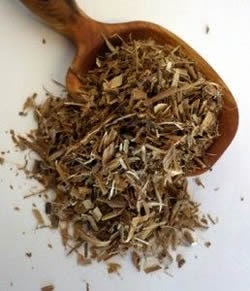
White willow bark
Herbalists claim that white willow can sometimes be used in the same conditions as aspirin. One benefit to white willow use is that the natural salicylic acid present in white willow reportedly produces fewer side effects than the synthetically produced acetylsalicylic acid of aspirin.

Aspirin has been recommended as a treatment to reduce the risk of heart attacks and stroke by lessening the chance of internal blood clots. Preventative benefits of white willow in these cases have not been determined, primarily because the salicin content of the bark varies. Herbal experts believe that most willow bark samples contain enough salicin to have a similar effect.

Preparations

The bark of young tree branches (two or three years old) is harvested during the early spring. The grayish bark is separated from the tree, then either dried or used fresh. White willow is commercially available in tincture, tablet, capsule, powder, or tea forms. When choosing a commercial preparation, it is recommended to use a standard product that contains 200–250 mg of white willow per dose.

The recommended daily dosage is 100–250 mg of white willow every four hours. To relieve arthritic, back, and muscle aches and pains, the recommended dosage is 225 mg of white willow bark four times daily.

A decoction made from willow bark is used both internally and externally. To make a decoction, combine 1 tsp chopped or powdered white willow bark with 8–10 oz of water.

Bring to a boil, then simmer for five minutes. Drink three or four times daily. This mixture can also be gargled to help inflamed gums and tonsils. Cooled and applied externally, the decoction helps aid healing of sores, burns, or cuts.

Tincture dosage: 2 ml three times daily.

Precautions

Persons with tinnitus should not take white willow.

Pregnant or breastfeeding women should consult their healthcare practitioner before taking white willow.

Persons who are sensitive to aspirin should use caution when taking white willow as it may irritate their stomachs.

Administration of aspirin to children under the age of 16 to relieve symptoms of cold, flu, or chickenpox may cause a rare condition called Reye’s syndrome. Reye’s syndrome is characterized by vomiting, swelling of the brain, and liver damage; and may be fatal.

Reye’s syndrome is a medical emergency and requires immediate treatment by qualified medical professionals. The toll-free hot line number of the National Reye’s Syndrome Foundation is listed below.

While white willow is metabolized differently from aspirin, there is still a similarity between the two, and it is recommended that white willow not be given in these situations.

Persons with a bleeding disorder, ulcer, colitis, Crohn’s disease, kidney or liver disease, or diabetes should not take this herb.

Children over 12 and persons over 65 should take white willow in low initial doses. Children under the age of 12 should not use white willow at all.

Side effects

Excessive doses of white willow may cause stomach upset, diarrhea, nausea, or ringing in the ears. If this occurs, should be stopped white willow.

Interactions

is
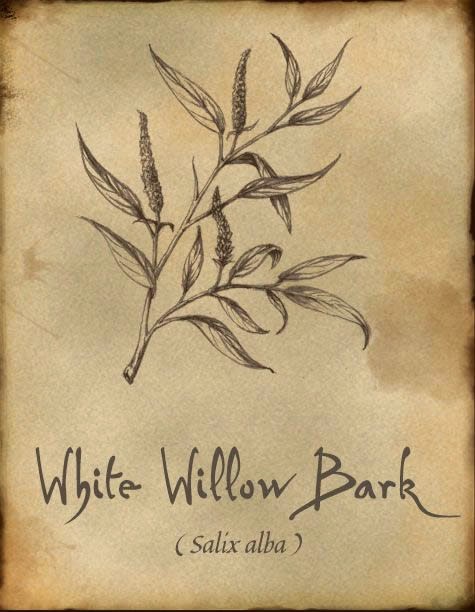
White willow bark ilustration

In general, persons considering taking white willow preparations should first consult a physician or registered pharmacist, as white willow interacts with a number of nonprescription as well as prescription medications.

Persons who are allergic to aspirin should not use white willow.

White willow should not be taken in combination with aspirin or such nonsteroidal anti-inflammatory drugs (NSAIDs) as ibuprofen or naproxen, alcohol, or blood-thinning medications.

White willow has been reported to have adverse interactions with bismuth subsalicylate (Pepto-Bismol), celecoxib (Celebrex), repaglinide (Prandin), and ticlopidine (Ticlid). It increases the action of metaclopramide (Reglan), but reduces the effectiveness of diclofenac (Voltaren, Cataflam), ketoprofen (Orudis), and nadolol (Corgard).

is
Wasabi

Wasabi (Wasabia japonica) is an edible plant member of the Cruciferae family, which includes cabbage, turnips, and mustard. Wasabi shares the anticancer benefits of this family.

Native to Japan where it has been cultivated since the tenth century, it is still considered a staple condiment in that country. Traditional preparation involves using a sharkskin grater called an oroshiis.

Wasabi’s culinary popularity and chemical bioactivity make it valuable medicinally and industrially. Demand for wasabi has created a relatively short supply, higher prices, and new commercial opportunities.

isis

These new opportunities include research and development of cultivation technologiesis, particularly in Canada, and exportation from Japan of seiyo wasabi, or Western wasabi—imitations made of horseradish (Cochlearia armoracia). Western and Japanese wasabi are both highly prized.

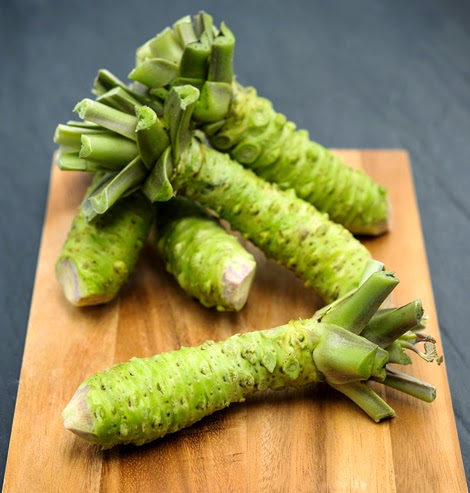
Wasabi is a perennial, root-like rhizome that is cylindrical in shape. A brownish-green skin covers its pale green flesh. The plant grows to about 18 in (46 cm) in height and produces leaves on long stems from the crown of the plant. As the plant ages, the leaves fall off and a rhizome, or creeping underground stem, is formed, from which new buds arise as modified stems.

The modified stem is the part of the plant that is used. The highest quality wasabi, whose translated name is mountain hollyhock (also known as sawa wasabi), thrives on cool water. It grows along the edges of cold mountain streams.

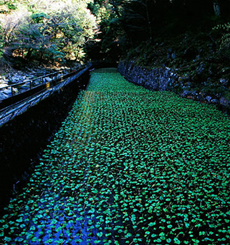
When cultivated, rather than wild-crafted (harvested randomly from its natural growing places), it is grown on treeshaded, terraced gravel beds covered by a thin layer of cool running mountain water or on artificially shaded gravel ridges formed in larger river beds. A lower quality wasabi (oka wasabi) is grown in fields.

There are two varieties of wasabi, Darumais—considered to have a more attractive appearance—and Mazuma—considered to have more heat. Wasabi is described as being “hot and fiery without burning,” which changes to a sweetness that lingers in the mouth.

General use

Historically, wasabi has been consumed as a condiment, used similarly to horseradish or mustard. Its pungent flavor and aroma may add a piquant flavor to sushi, marinades or sauces, and rice, noodle, and fish dishes. In Japanese restaurants across North America, sashimi and sushi may be served with a small mound of grated wasabi or wasabi paste.

Nontraditional uses include adding wasabi to mashed potatoes, tuna sandwiches, or blending it with soy sauce. One source included it in a recipe for a unique Bloody Mary. Wasabi leaves marinated in sake, brine, or soy sauce, are eaten with a bowl of rice.

In addition to its flavor, wasabi has another benefit. Traditional Japanese cuisine includes raw fish, which is a potential source of parasites and bacteria. Wasabi’s antiparasitic, antimicrobial, and antibiotic abilities may be preventive against food poisoning. One source points specifically to wasabi’s effectiveness against the Anisakis parasite.

Another study, comparing the antibacterial activity of different foods against Escherichia coli (E. coli) and Staphylococcus bacteria, found that cruciferous plants possess antibacterial activity, with the highest activity found in wasabi (rhizome).

Other studies found that wasabi may be effective against the tooth-adhering ability of the bacteria Streptococcus mutans, thus inhibiting dental plaque and decay. Of special note are the numerous studies demonstrating wasabi’s effectiveness against stomach cancer cells.

One study found the induction of stomach cancer in rats was suppressed when they were given wasabi. The risk of hormone-related malignancies, such as breast and prostate cancer, may also be lowered.

Some researchers believe that the cruciferous vegetables help the body eliminate excess endogenous (produced from within) and exogenous (produced from without but ingested or absorbed) hormones, such as estrogen. This action may be a result of wasabi’s ability to stimulate the liver and gallbladder, aiding in the digestion of fatty foods and the processing of food nutrients.

is
wasabi field
Other medicinal benefits attributed to wasabi include its effectiveness against diarrhea, blood clots, inflammation, and asthma. Its pungent aroma may help relieve sinusitis and bronchitis. Although the amounts absorbed from culinary use may be negligible, wasabi reportedly also contains potassium, calcium, and vitamin C.

Industrial applications of wasabi under investigation include its usefulness in the development of other antibiotics, due to its own antibiotic qualities; its effectiveness as a fungicide against the blackleg fungus that threatens plants commercially valued for their oil, such as rapeseed and canola; and its possible use as an effective alternative to chemically toxic wood preservatives.

Preparations

Wasabi is most commonly found in powder or paste form. However, due to the scarcity and price of high quality wasabi, many of these preparations—including imports from Japan for retail sale and those served in Japanese restaurants—are imitations made of horseradish, mustard, a starchy binder, and coloring. Wasabi paste may be made from a powdered wasabi by adding water, and letting it stand 10 minutes to allow the flavor and heat to develop.

One source noted that the powder may be safely stored in a cupboard, but recommended refrigerating the paste. A salad dressing may be made by combining 3 tablespoons of rice wine vinegar, 1 tablespoon honey, 1 teaspoon wasabi paste, 1 teaspoon soy sauce, and 1/2 teaspoon sesame oil.

Traditional wasabi is prepared freshly for each use, as its volatile oils are quickly dissipated. It is recommended that individuals select a fresh, cool, and succulent rhizome with nice color. It should be rinsed under cool water with a vegetable brush, cutting a fresh surface below or above the leaf node (a distinctive ridge as on bamboo stems).

While maintaining a 90-degree angle to the grating surface, the wasabi should be grated in a circular motion against a traditional sharkskin, ceramic, or stainless steel grater. (It is not necessary to peel the wasabi rhizome before grating it.) Then it is gathered into a ball and allowed to sit momentarily at room temperature. It is best used within 15 to 20 minutes.

One source notes that wasabi products are often found in large grocery stores that sell Asian food products and ethnic condiments; Asian markets; fish markets; gourmet shops; and other alternative marketplaces. Prices are similar to other specialty condiments of equal quality.

Precautions

is
Growing wasabi

Wasabi should not come into contact with the eyes or nasal passages.

Due to its anti-inflammatory, antibiotic, antibacterial, antiparasitic, anticoagulant, and anti-asthmatic effects, the use of wasabi may magnify the effects of certain pharmaceutical drugs used for similar purposes.

People with ulcers, esophageal reflux, kidney disorders, gastrointestinal disease, or those using hormone replacement therapy, are advised to consult with a healthcare professional before using wasabi.

Side effects

Due to its liver and gallbladder stimulating effects,eating wasabi may cause gastrointestinal disturbances, including diarrhea and nausea.

Interactions

One source notes that wasabi has possible interactions with anti-inflammatory analgesics, anesthetics, thyroid medications, corticosteroids, diuretics, and high blood pressure medications. This may be due in part to confusion with horseradish species. No other Wasabia japonica-drug interaction references are noted.

Warts, also called verrucae, are small benign growths usually caused by a viral infection of the skin or mucous membrane. The virus infects the surface layer of skin. The viruses that cause warts are members of the human papilloma virus (HPV) family, of which there are many different strains.

Warts are not cancerous but some strains of HPV, usually not associated with warts, have been linked with cancer formation. Warts are contagious from person to person and from one area of the body to another on the same person.

Particularly common among children, young adults, and women, warts are a masalah for 7–10% of the population. There are close to 60 types of HPV that cause warts, each preferring a specific skin location.

For instance, some types of HPV cause warts to grow on the skin, others cause them to grow inside the mouth, while still others cause them to grow on the genital and rectal areas.

areare

However, most can be active anywhere on the body. The virus enters through the skin and produces new warts after an incubation period of one to eight months. Warts are usually skin colored and feel rough to the touch, but they also can be dark, flat, and smooth.

Warts are passed from person to person, directly and indirectly. Some people are continually susceptible to warts, while others are more resistant to HPV and seldom get them.

The virus takes hold more readily when the skin has been damaged in some way, which may explain why children who bite their nails tend to have warts located on their fingers. People who take a medication to suppress their immune system or are on long-term steroid use are also prone to a wart virus infection. The same is true for patients with AIDS.

The main categories of warts are common warts (face and hands), plantar warts (feet), and venereal warts. Hand warts (verruca vulgaris) can grow anywhere on the hands, but usually occur where skin has been damaged in some way (e.g. picking or nail biting). This is a rough horny lesion varying in size from 1 mm–2cm in diameter.

Foot warts (verruca plantaris) known as plantar warts, are the most painful type of wart, due to the pressure exerted on them. They are most common in children and young adults, since they are often contracted in locker rooms and swimming pool areas.

If left untreated, they can grow to an inch or more in circumference and spread into clusters. Those suffering from diabetes are more likely to suffer from plantar warts, and may also suffer complications due to the reduced potential for their bodies to heal themselves.

Flat warts tend to grow in great numbers and are smaller and smoother than other warts. They can erupt anywhere, appearing more frequently on the legs of women, the neck and dorsum of the hands, the faces of children, and on the areas of the face that are shaved by young adult males.

Genital warts, also called condylomata acuminata, moist warts, fig warts, or venereal warts, are one of the most common sexually transmitted diseases (STDs). Genital warts are more contagious than other types of warts.

Approximately one million new cases of genital warts are diagnosed in the United States every year. It is estimated that two-thirds of persons coming into contact with genital warts will develop symptoms within three months.

Genital warts tend to be small flat bumps or they may be thin and pointed in shape. They are usually soft, moist, pink to red in color, occurring as a single lesion or in clusters that resemble a cauliflower, and not scaly like other warts. In women, genital warts appear on the external genitalia, within the vagina, on the cervix, and around the anus or within the rectum.

In men, genital warts usually appear on the tip of the penis but may also be found on the scrotum or around the anus. Genital warts can also develop in the mouth of a person who has had oral sexual contact with an infected person. They may also appear, less often, between the toes.

Filiform wart is a long, horny, finger-like projection that is usually found in multiples. Seen most commonly in adult males, they occur in the bearded area of the face or on the eyelids and neck.

Causes and symptoms

Since warts are caused by a virus, they can only be caught by contact with a source of infection. This can be direct physical contact, or secondary contact with the shed skin of a wart (through a floor or a towel for example). As the incubation period for warts is quite long, it is often difficult to pinpoint sources of infection.

Individuals whose immune systems are deficient most often contract warts. AIDS patients commonly suffer from warts, and it is not uncommon for warts to appear at the site of a syok (burns, cuts or abrasions.)

Diagnosis

Common warts are rough, irregular, skin colored or brownish. Warts that are brownish in color, or that do not respond to treatment, should be checked by a physician to exclude the possibility that they may be malignant growths.

Treatment

Warts may need no treatment at all, since a large proportion of them (67% over a two-year period) disappear spontaneously. This is particularly so in the case of flat warts.

However, a wart that appears unusual in any way should be checked by a physician, as a small proportion can become malignant. Generally, the main criterion for treatment of warts is a cosmetic one, if it is found to be embarrassing by the sufferer, or unpleasant to others.

Acupuncture

The aim with acupuncture will be to raise the general well-being of the patient, improve the functioning of the immune system, and free blockages of “chi” or life force. Warts and other health problems will be less likely to occur as general health and resistance are improved.

Aromatherapy

Since warts are caused by viral infections, the aim of an aromatherapy treatment would be to kill the virus with the application of an appropriate essential oil. There are many oils that have antiviral properties, so the therapist will also endeavor to choose oils that are appropriate for the patient.

Onion and garlic oils both have powerful antiviral properties, but perhaps tea tree oil, which also possesses remarkable anti-viral properties, might be more acceptable as far as smell is concerned.

Colloidal silver

The use of colloidal silver against viruses of all kinds has proved very successful. It should be topically applied to the wart, but can be taken internally to promote functioning of the immune system, and thus prevent warts from occurring.

Herbal medicine

Herbal remedies for genital warts and other STDs have attracted considerable recent attention because of the epidemic spread of these diseases in developing countries where most people cannot afford allopathic treatments.

One traditional herbal remedy from Colombia that is being studied is extracts of plants belonging to the Euphorbia family. These compounds have been used to treat ulcers, tumors, and warts for generations, and some of them appear to be effective in treating genital warts.

Before applying any herbal cure to a wart, as much of the wart as possible should be removed, in order to give the cure a head start.

Apple juice: Apply the juice of a sour apple. Action is due to the magnesium in the juice.
Banana skin: First the wart should be rubbed with an abrader, and a fresh banana skin (immediately after opening) should be applied and left overnight.
Cabbage: Apply fresh juice from a white cabbage.
Chickweed: Apply the juice to the wart.
Dandelion: The juice of the dandelion is a very old English cure for warts.
Garlic: Rub a raw clove on the wart every night until it disappears.
Green figs: The white milk from a green fig is excellent at removing warts.
House leek: This is a plant commonly found in rock gardens. It has thick fleshy leaves and its juice is rich in supermalate of calcium, which will destroy warts.
Pineapple: Cotton wool should be soaked in the fresh juice of a pineapple. The enzymes of the pineapple will dissolve the wart.
Rubber plant: If the stem of a leaf from a rubber plant is broken, white liquid will ooze out. If this is applied to the wart over a period of two to three days, the wart should disappear.

Naturopathy

Naturopathy, in common with many alternative therapies, works on the principle that given the right circumstances, such as pure air, pure water, and first class nutrition, the body will heal itself and become extremely resistant to illness. Naturopaths believe that such symptoms as warts are the result of toxins in the body, and an immune system that is not running efficiently.

They may prescribe treatments such as colonic irrigation, alongside a aktivitas of healthy eating to raise the general level of health. A naturopath may suggest a paste made with vitamin C, applied to the wart daily for a period of a few weeks.

Visualization

This method, also known as creative imagery, has skeptically been described as “willing yourself well,” but practically it has been found to be very effective for a range of conditions, both physical and emotional.

The patient is required to sit in a relaxed state, breathing evenly, and visualize the self in the condition he or she would like to be. In this case, perhaps he or she visualizes the body overcoming the warts and absorbing them, leaving behind healthy skin. This method has been found particularly suitable for children, as it has no side effects and therapists claim it has a good success rate.

Folk remedies

There are many remedies for warts that have been handed down from generation to generation all over the world. The following remedies have excellent track records.

Thread: a length of thread should be tied around the wart, and tightened every day until the wart drops off.
Human saliva: the sufferer applies his or her saliva to the wart first thing every morning.

Allopathic treatment

Warts may be self-treated by a number of allopathic remedies, but care should be taken as they are fairly strong chemicals (usually salicylic acid).

Those suffering from diabetes, heart disease or circulation problems, or any degree of peripheral neuropathy, should not attempt to treat themselves with any of these preparations, because of the risk of damage to tissue, and because of their increased susceptibility to infection.

In addition, the face and mucous membranes may scar, so it may be preferable to seek professional advice.

A physician may use cautery (use of heat) or cryosurgery (use of extreme cold, usually in the form of liquid nitrogen) to remove warts. These are processes that require precision, and therefore are highly skilled procedures.

Another drawback is that they can be painful. Increasingly, laser treatments are also being used to treat warts, whereby the laser beam vaporizes the wart tissue. Pulsed laser treatments appear to be particularly effective in treating warts in the anogenital region of children.

A newer allopathic medication that shows promise in the treatment of resistant viral facial warts is diphencyprone (DPC), a drug that was developed to treat a type of hair loss known as alopecia areata. DPC has shown effectiveness in removing facial warts that were resistant to both cryosurgery and other topical drugs.

Expected results

Allopathic methods for the treatment of warts are generally successful, but they carry more risk of scarring than natural methods.

More than one alternative method may have to be tried before success is achieved, but they carry the added bonus of adding to the well-being of the patient, and not harming the body. Allopathic treatments involve the use of strong chemicals, which carry risks and are not compatible with body chemistry.

Usually, warts either disappear spontaneously or are treated successfully with no scarring or lasting effects. However, occasionally, what appears to be a wart is the beginning of a type of cancer, so those that are resistant to treatment should be seen by a physician.

Recurrent genital warts are a serious personal and public health concern. Even though genital warts may be removed, the virus itself continues to live. Certain types of HPV can cause tissue changes in the cervix of women with recurrent infection that may lead to cervical cancer.

The general recommendation for women who have a history of genital warts is to see their doctors every six months for Pap smears to monitor any changes that may occur.

Prevention

To avoid foot warts, footwear should always be worn in public places and feet should be kept clean and dry. In general, warts should not be picked, to avoid cross infection, and any patch of damaged skin should be protected. Every effort should be made to keep the immune system in peak working condition.

Genital warts can be prevented by using condoms and avoiding unprotected sexual contact. Barrier protection will not, however, prevent the spread of wart-causing HPV to such uncovered areas as the pubis and upper thighs.

Although vaccines to prevent the spread of human papilloma virus are under investigation as of 2002, they will not be available for general use for at least several years.
Vomiting
Vomiting

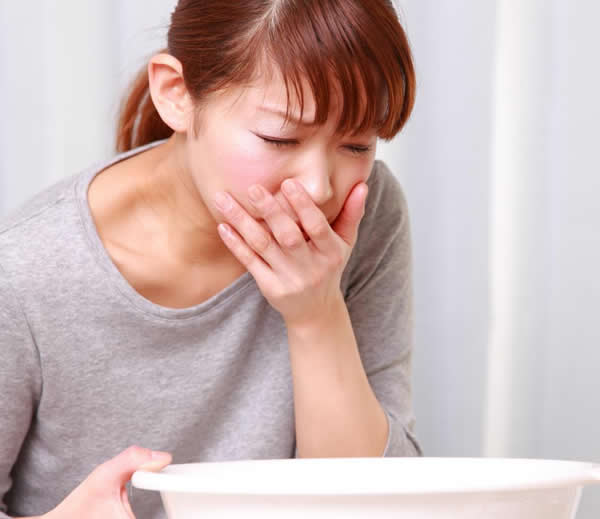
Vomiting is the forceful discharge of stomach contents through the mouth.

Vomiting, also called emesis, is a symptomatic response to any number of harmful triggers. Vomiting is a forceful expulsion, and is different from regurgitation — the effortless return of stomach contents to the mouth. Although unpleasant, vomiting is an important function because it rids the body of harmful substances.

Vomiting is a complex process resulting from the coordinated interaction of nerve pathways, the brain, and muscles of the gastrointestinal systemVomiting. The primary vomiting trigger point in the brain is called the area postrema.

VomitingVomiting

This structure is exposed to chemicals in the bloodstream and the cerebrospinal fluidVomiting (the fluid found in the brain and spinal cord). Scientific studies have shown that stimulation of the area postrema by a wide variety of drugs as well as bacterial toxins, radiation, and physiologic conditions, induces vomiting.

Certain nerve pathways (called afferent neural pathways) induce vomiting when triggered by motion, ear infections or tumors, Ménière’s disease (a disease characterized by recurrent vertigo), odors, visual stimulation, pain, and bad tastes.

Still other nerve pathways (peripheral afferent neural pathways) induce vomiting in response to stomach irritants, distension of the intestines and bile ducts, abdominal inflammation, and myocardial infarction (heart attack).

The physical act of vomiting is controlled by multiple sites of the brain stem. When activated, these structures send signals to the throat, diaphragm, and abdominal muscles.

These signals result in the simultaneous contraction of these muscles, which brings the stomach contents up through the esophagus (the tube between the stomach and the throat) and out the mouth.

During vomiting, breathing is inhibited, except for short breaths between discharges. Bradycardia (decrease in the heart rate) and changes in blood pressure may occur during retching and vomiting.

Causes and symptoms

Vomiting can be caused by many different things. Vomiting that lasts only one or two days is usually caused by infection, a reaction to medication, a toxin, uremia (accumulation of protein breakdown products in the bloodstream), and diabetic ketoacidosis (accumulation of toxins resulting from uncontrolled diabetes).

Vomiting that lasts longer than one week can be caused by a long-term medical or psychiatric condition. Causes of vomiting include:
  • MedicationsVomiting. Drugs are the most common cause of vomiting, especially during the first days of use. Drugs can induce vomiting by stimulation of the area postrema or by direct stimulation of peripheral nerve pathways. Medications that commonly cause vomiting include cancer drugs, pain relievers (especially opioids), heart medications, diuretics, hormones, antibiotics, antiasthmatics, gastrointestinal drugs, and medications that act on the brain.
  • Infections. Infections of the gastrointestinal system or whole body can cause vomiting. Gastrointestinal infections are more common in infants, toddlers, and young adults (20–29 years old) who usually get 1.2 infections each year. Infections that can cause vomiting include bacterial, viral, and parasitic gastrointestinal infections, severe acute respiratory syndrome (SARS), otitis media (ear infection), meningitis (infection of the membrane that surrounds the brain and spinal cord), and hepatitis (infection of the liver).
  • Gastrointestinal and abdominal disorders. Disorders of the gastrointestinal system that can produce vomiting include blockage of the stomach or small intestine, motility disorders (muscles in the esophagus become discoordinated or weak, causing difficulty swallowing, regurgitation, and sometimes pain), indigestion, radiation therapy-induced changes, Crohn’s disease (chronic recurrent inflammation of the intestines), peptic ulcer, worm infestations, or inflammation of the appendix, gall bladder, or pancreas.
  • Nervous system disorders. Cancers, infarction (an area of dead tissue caused by an obstruction in the artery supplying the area), bleeding (hemorrhage), birth defects, ear disorders, motion sickness, weightlessness, ear tumors, Ménière’s disease, unpleasant memories, psychogenic (caused by mental factors) issues, and bad tastes or smells can all cause vomiting.
  • Hormones and physiological conditions. Hormonal and metabolic (physical and chemical processes of the body) conditions that can cause vomiting include: parathyroidism, diabetic ketoacidosis, hyperthyroidism (condition caused by excessive ingestion or production of thyroid hormone), Addison’s disease, uremia, and pregnancy. Pregnancy is the most common cause of vomiting associated with the hormonal system. Vomiting associated with pregnancy is often called morning sickness.
  • Postoperation. Anesthesia and pain medications can cause nausea and vomiting, which are complications associated with 17–39% of surgeries.
  • Cyclic vomiting syndrome (CVS). This rare disorder occurs in children usually beginning at age five years, although it also occurs in adults. It is characterized by, on average, eight attacks of vomiting lasting for 20 hours each year. Although the exact cause is unknown, there seems to be a relationship between cyclic vomiting and migraine headaches.
  • Poisons. Arsenic and other heavy metals, weed killers and household cleaning agents, and many other substances may cause vomiting if inhaled or swallowed.
  • Miscellaneous causes. Excessive alcohol consumption causes vomiting by acting both on the gastrointestinal tract and the brain.

Nausea is often associated with vomiting. Vomiting may be preceded by retching, in which the muscles contract as for vomiting but without the discharge of stomach contents.

The patient may hyperventilate (breathe rapidly and deeply) and salivate before vomiting begins. Patients should consult a physician immediately if there is blood in the vomitus (expelled stomach contents).

Other symptoms associated with vomiting depend upon the cause. Gastrointestinal infection would also cause fever, muscle pain, and diarrhea.

Patients with peptic ulcer, intestinal blockage, cholecystitis or pancreatitis (inflammation of the gall bladder or pancreas) would experience abdominal pain. Meningitis symptoms include neck stiffness, headache, vision changes, and changes in mental processes.

Diagnosis

Vomiting may be diagnosed by an internal medicine specialist or a gastroenterologist. A detailed medical history will be taken and will include specifics about the vomiting including frequency, a description of the vomitus, duration, how soon after meals vomiting occurs, and any other symptoms.

The history alone can help the physician to narrow down the cause to a few choices. The patient’s abdomen will be palpated (felt with the hands) to detect any abnormalities. Vital signs will be taken to identify any abnormalities in heart rate, blood pressure, or temperature.

Although the medical history and physical exam is usually sufficient to determine the cause of vomiting, certain laboratory tests may also be performed.

Blood tests may be performed to check for dehydration (decreased water), anemia (decreased number of red blood cells or iron-poor blood), and electrolyte (blood chemicals) imbalances, as well as specific tests to confirm the suspected diagnosis.

In some cases, more advanced testing may be required. These include x rays, endoscopy (a thin, wandlike camera used to visualize internal organs), magnetic resonance imaging (MRI), ultrasound (using sound waves to visualize internal organs), and computed tomography (CT) scanning. In addition, there are tests that measure stomach emptying and the pressure and motility of the stomach and intestine.

Treatment

Alternative treatments can be effective in treating vomiting, but not the underlying cause. A physician should be consulted if vomiting is recurrent and/or lasts for more than a few days.

Dietary changes

The best dietary approach is to eat foods that can be quickly cleared from the stomach. Foods that are high in fat are slow to digest and place the patient at risk for additional vomiting.

Ingestion of a low-fat, predominately liquid diet taken in frequent small meals can help relieve vomiting. Dry soda crackers are a good choice when nausea sets in. After vomiting, the patient should not eat for one hour, after which small servings of broth, bread, or flat soda may be taken.

It is important to replenish the fluids lost by vomiting. Juice therapists recommend drinking a juice made from fresh ginger, apples, and carrots. Supplementation with vitamin B6 was found to reduce the symptoms of morning sickness in pregnant women.

Herbals

The herbs that are effective in relieving nausea and vomiting include:
  • apple tree (Pyrus malus) bark tea
  • bergamot (Monarda citriodora) tea
  • black horehound (Ballota nigra) infusion
  • codonopsis (Codonopsis pilosula) decoction
  • galangal (Alpinia officinarum) infusion
  • ginger (Zingiber officinale) infusion or crystallized
  • lemongrass (Cymbogen citratus) oil or tea
  • nutmeg (Myristica fragrans) capsules
  • turmeric (Curcuma longa) infusion

Chinese medicine

Practitioners of traditional Chinese medicine use acupuncture, ear acupuncture, herbals, and patent medicines in the treatment of vomiting.

The following herbals may be made into soups, which are sipped frequently: Lu GenVomiting (Rhizoma phragmitis); Zhu Ru (Caulis bambusae in taeniis), Bai Mao Gen (Rhizoma imperatae), and Pi Pa Ye (Folium eriobotryae); and Huo XiangVomiting (Herba agastachis) and Pei LanVomiting (Herba eupatorii).

Placing a drop of Sheng Jiang (Rhizoma zingiberis recens) on the tongue can check vomiting. Patent medicines used to treat vomiting include: Huo Xiang Zheng Qi Wan (Agastache Pill to Rectify Qi),Yu Shu Dan (Jade Pivot Pill), Zuo Jin Wan (Left Metal Pill), and Bao He WanVomiting (Preserve Harmony Pill).

Homeopathy

Homeopathic remedies are chosen based upon the specific set of symptoms displayed by the patient. Ipecac is chosen for strong nausea and vomiting. Bismuth or Phosphorous is indicated when vomiting is caused primarily by liquids.

Nux vomica is recommended when vomiting is caused by emotional stress and for patients with heartburn, nausea, and retching. Tabacum is indicated for vomiting caused by motion. Veratrum album is indicated for the patient with nausea, vomiting, and diarrhea.

Arsenicum is recommended for the patient with violent vomiting, diarrhea, abdominal pain, exhaustion, restlessness, and thirst. Bryonia is recommended for gastroenteritis (inflammation of the lining of the gastrointestinal system).

Ayurveda

Ayurvedic practitioners believe that vomiting is caused by high pitta in the stomach. Remedies for vomiting are:
  • yogurt containing cardamon and honey
  • warm milk containing cardamon and nutmeg
  • tea prepared from cumin seeds and nutmeg
  • fresh pineapple juice (1 cup with a pinch of ginger and black pepper and 0.5 tsp sugar) three times during a day of fasting
  • water containing 10 drops lime juice, 0.5 tsp sugar, and 0.25 tsp baking soda
  • cardamon seeds (chewed)
  • ginger juice and onion juice (1 tsp each)
  • water containing rose petal powder (0.5 tsp), sandalwood powder (0.25 tsp), rock candy powder (0.5 tsp), and lime juice (10 drops)

Other treatments

Various other treatments for vomiting include:
  • Aromatherapy. The essential oil of peppermint is a traditional cure for vomiting.
  • Acupressure. The acupressure points P5 and P6 located on the inner forearms are effective in treating vomiting. A wristband (Sea-Band) has been proven to be effective in reducing nausea and vomiting.
  • Acupuncture. A National Institutes of Health consensus panel found that acupuncture is an effective treatment for chemotherapy and postoperative vomiting. A few people, however, experience nausea as a side effect of acupuncture.
  • Behavioral interventions. Behavioral therapies such as desensitization, distraction, imagery, relaxation, and self-hypnosis have been shown to be effective in treating chemotherapy-induced vomiting.
  • Hydrotherapy. Stomach upsets may be treated by drinking a glass of water containing activated charcoal powder.
  • Reflexology. The reflex points solar plexus, chest, lung, diaphragm, esophagus, liver, stomach, gallbladder and thyroid, and pituitary and adrenal gland on the feet may help treat vomiting.
  • Transcutaneous electrical nerve stimulation (TENS, which is a treatment where a mild electrical current is passed through electrodes on the skin to stimulate nerves and block pain signals). TENS can be effective in reducing postoperative vomiting.

Allopathic treatment

Treatment of vomiting depends upon the cause and severity but may include dietary changes, medications, and surgery. Replacement of lost fluids is an important component of treatment.

Hospitalization may be required in some cases. Surgery may be needed to treat inflammatory conditions (such as cholecystitis) and physical abnormalities (such as blockage).

Medications used to treat vomiting are called antiemetics. Scopolamine, dimenhydrinate (Dramamine), and hyoscine are used to treat motion sickness; promethazine (Mepergan, Phenergan) is used to treat postoperative nausea; meclizine (Antivert, Bonine) is used to treat inner ear inflammation; and prochlorperazine (Compazine) is used for gastroenteritis, postoperative toxins, radiation, medications, and other causes of vomiting. Other medications that target the underlying cause of the vomiting may be used.

Newer drugs that have been developed to treat postoperative or postchemotherapy nausea and vomiting include ondansetron (Zofran) and granisetron (Kytril). Another treatment that has been found to lower the risk of nausea after surgery is intravenous administration of supplemental fluid before the operation.

Expected results

Most cases of vomiting resolve spontaneously. Complications of vomiting include dehydration, malnutrition, weight loss, and abnormalities of blood chemicals (including electrolytes, pH, and potassium). Vomiting by unconscious patients can lead to aspiration (inhalation of stomach contents), which can affect the lungs.

Prevention

Antiemetic drugs are effective at preventing vomiting. Some alternative treatments are effective at reducing nausea, which may prevent vomiting.

Contact Form

Name

Email *

Message *

Powered by Blogger.