Latest Post

is
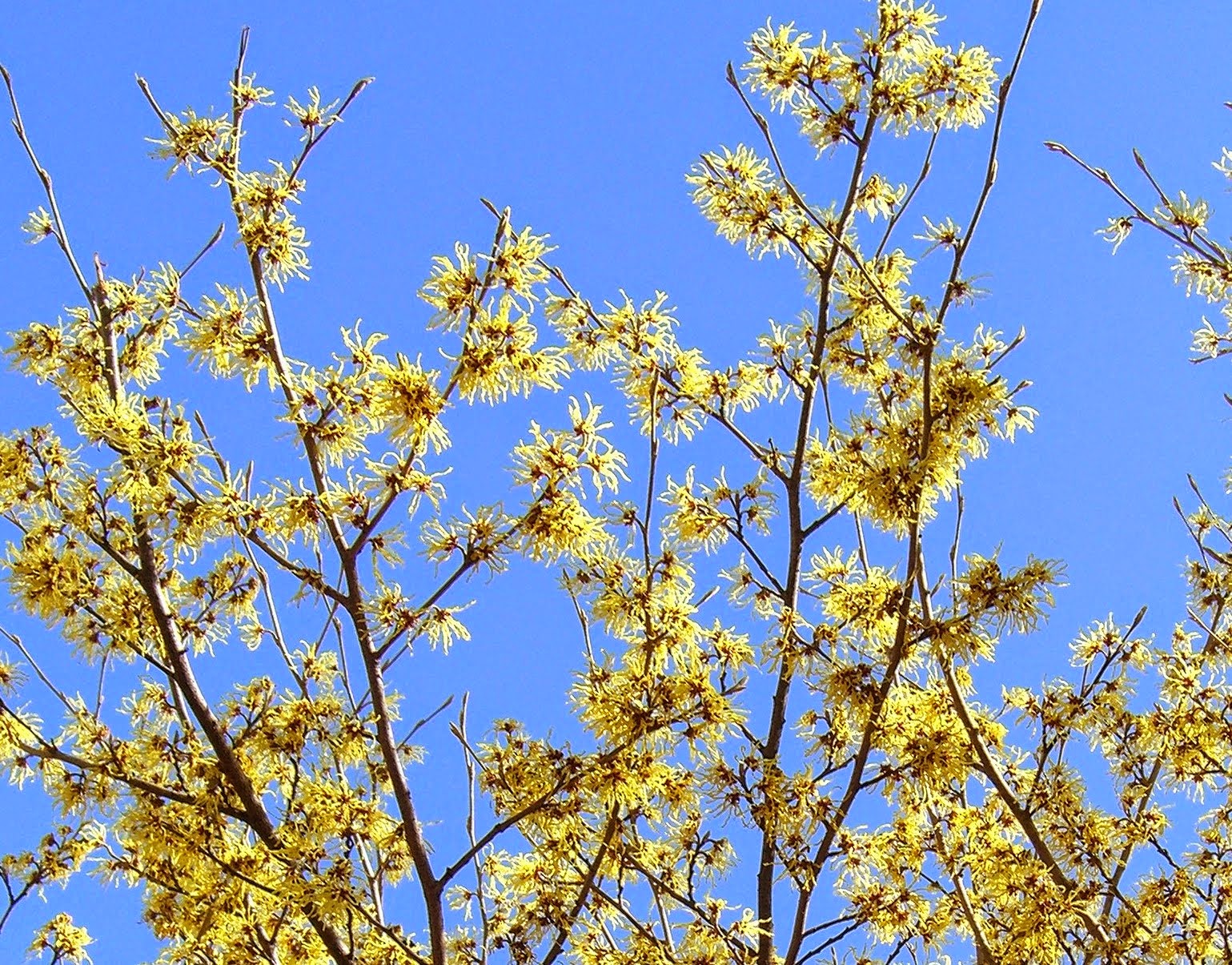
Witch hazel

Witch hazel (Hamamelis virginiana) is a deciduous tree or shrub that is native to Atlantic North America, and it is now also cultivated in Europe and Asia. The shrub can reach a height of 15 ft (4.6 m).

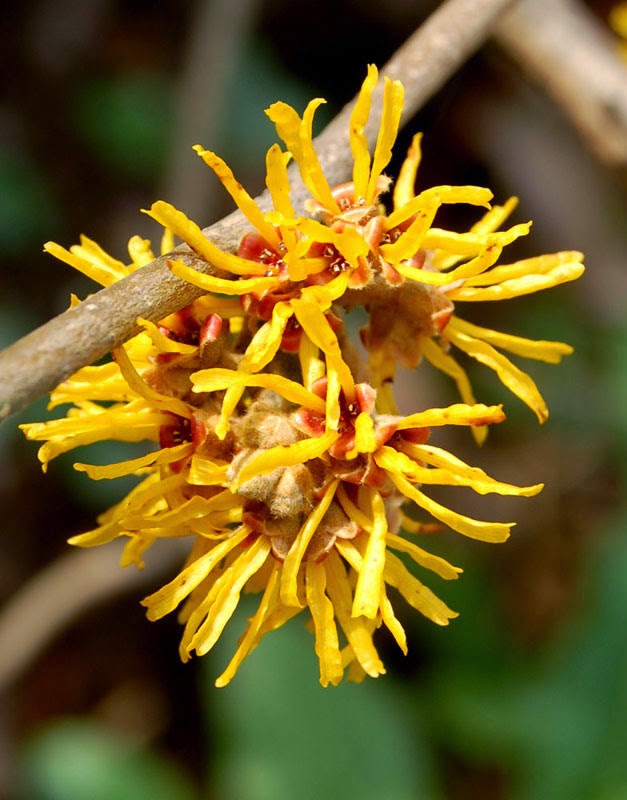
It flowers in the fall, producing vivid yellow flowers. Witch hazel is also known as hazel nut, snapping hazel, spotted alder, tobacco wood, winterbloom, and hamamelis water.

Native Americans used witch hazel leaves and bark as a poultice to reduce swelling and inflammation. Those are among the uses of this herb that has long been among the best known and widely used home remedies.

isis

The word “witch” in the name of the herb is actually a derivative from the Anglo-Saxon word wych meaning flexible. The word described the flexibility of the branches that Native Americans used to make bows.

General use

Witch hazel is a very versatile remedy, with generally accepted uses ranging from facial care to soothing aching feet. It is also used for the treatment of hemorrhoids, inflammation of the mouth and throat, and other conditions, such as varicose veins, wounds, and burns.

Witch hazel has so many applications that Andrew Weil, M.D.is, called the decoction or tincture of the bark the “all–around astringent.” Weil, who practices natural and preventive medicine, recommended using witch hazel to ease the pain of sunburn, windburn, insect bites, poison ivyis blisters, and sore and sprained muscles.

The medicinal element of witch hazel is the hamamelis water that is distilled, decocted, or tinctured from fresh and dried leaves, and fresh and dried bark and twigs. Tannins and volatile oils are the primary active ingredients of witch hazel that contribute to its astringent benefits.

The tannin content of witch hazel leaves is 8%, and in witch hazel bark ranges from 1–3%, as the medicine derived from the bark will yield a higher tannin concentration than that from leaves. Recent research done in Asia indicates that it is the tannin content of witch hazel that is chiefly responsible for its strong antioxidant activity.

As with other herbal astringents, witch hazel reduces the irritation on the tissue surface through a form of numbing. Surface inflammation is reduced, and the astringent creates a partial barrier against infection. That barrier aids in the treatment of wounds and burns. The astringency helps to stop bleedingis, so witch hazel is useful in treating bruises, cuts, and other skin abrasions.

In addition, a cold compress of witch hazel is said to ease a headache. Cosmetically, witch hazel is used as a facial skin freshener and astringent to reduce pore size, make-up removeris, and to reduce bags under eyes. Products for men that contain witch hazel include herbal shaving cream and aftershave.

The above are among the mainstream applications of the herb that Native Americans regarded as a general tonic. They also brewed witch hazel as a tea for conditions including cuts, colds, heavy menstruation, tumors, and eye inflammation. Witch hazel was taken internally to stop bleeding from hemorrhage.

Some of those applications remain part of folk medicine. Other folk remedy applications of witch hazel include applications for backache, and internal use for diarrhea, nervousness, nosebleed, vaginitis, and venereal disease.

As of 2002, there has been relatively limited research on the uses of witch hazel in the United States. There is agreement among alternative health practitioners that external use of this herb is safe.

Research conducted in Europe provides more information about applications of witch hazel. There, witch hazel products were approved for skin injuries, inflammation of skin and mucous membranes, and varicose veins.

Witch hazel and leaves were approved for the topical treatment of skin injuries, burns, varicose veins, and hemorrhoids. Recent studies carried out in Germany and the United Kingdom have established that witch hazel extract offers some protection against UV radiation prior to sun exposure as well as relieving the inflammation of sunburn.

In the United States, there is another controversy about the remedial benefit of witch hazel. Hamamelis water, when distilled, contains no tannin. Distilled witch hazel consists of a mixture of 14% alcohol in water with a trace of volatile oil. The astringent effect of witch hazel is due to an alcohol content similar to that of red wine. But the unstudied volatile oils exert some effects similar to topical tannin, and are also antimicrobial.

Preparations

Witch hazel is available in various forms. Commercial preparations include witch hazel water and gels, although much commercial witch hazel is not true distilled witch hazel water. Witch hazel is also an ingredient in products, such as face and body pads and hemorrhoid pads, including Preparation H ointment.

As a topical astringent, witch hazel water is applied directly to burns, bruises, insect bites, and aching muscles. It can also be used to clean oily skin, remove makeup, or mixed with water for a relaxing footbath. Uses for the gel include treating cuts, diaper rash, and bedsores.

An infusion of fresh or dried leaves has been “cautiously used” in the treatment of internal hemorrhaging or to reduce excessive menstrual flow.

Infusion is a process that preserves the astringent tannin in witch hazel, using the leaves. A decoction may be prepared by simmering, not boiling, the herb’s bark.

This is done by steeping 1 teaspoon of witch hazel powder or twigs in a cup of boiling water. The mixture is boiled and covered for 10 minutes, then strained. After it cools, it can be applied directly or mixed into an ointment base such as petroleum jellyis.

Uses of witch hazel leaf include remedies for diarrhea and menstrual conditions. The bark is used for skin injuries, inflammation of the skin, locally inflamed swelling, hemorrhoids, and varicose veins.

Witch hazel dosages

Recommended dosages when using witch hazel are as follows:
  • Witch hazel water (distillate) can be used as is or diluted at a 1:3 ratio with water.
  • A poultice can be made by using 20–30% of witch hazel in semi-solid preparations.
  • For an extract preparation, use a semi-solid and liquid preparation that corresponds to 5–10% of the drug.
  • Decoctions of 5–10 grams of witch hazel extract per cup of water can be used for compresses and rinses.
  • Ointment or gel is prepared by mixing 5 grams of witch hazel extract in 100 grams of an ointment base.
  • The recommended dosage of suppositories is 0.1–1 gram of the drug. Suppositories in the rectum or vagina can be used from one to three times daily.

Applications

Witch hazel is a multi-faceted remedy that is administered in several ways. Applications of witch hazel include:
  • Gargle with a decoction of 1 teaspoon of witch hazel bark that has been steeped 10 minutes in boiling water and then strained.
  • For skin conditions, ointment or cream can be used twice a day or as needed.
  • Tincture can be placed directly on affected areas.
  • A poultice can be applied to wounds and sores.
  • Witch hazel extracts can be applied in combination with warm, moist compresses in the morning or at bedtime.
  • For bruises, a washcloth can be used for a witch hazel compress. An ice cube placed inside the cloth keeps the compress cold and diminishes swelling.

HEMORRHOID RELIEF. Witch hazel’s applications include various methods for treating hemorrhoids:
  • A hamamelis suppository can be inserted at bedtime to reduce inflammation of a swollen vein.
  • For relief of hemorrhoids,Weil recommends moistening toilet paper with witch hazel. This compress is used to clean the anal area after bowel movements.

Combinations

Hemorrhoid treatment accounts for two remedies that combine witch hazel with another herb, such as pilewort. Pilewort is also known as celandine. Another hemorrhoid remedy combines witch hazel with horse chestnut.

Furthermore, witch hazel is combined with aloe vera in commercial products such as skin care treatments. Home recipes for facial cleanser and mask include witch hazel, essential oils, and other ingredients.

Precautions
is
Blooming witch hazel

When witch hazel is administered in designated therapeutic dosages, no health risks have been recorded. However, when witch hazel is taken internally, its tannin content can lead to digestive complaints. Furthermore, in rare cases, liver damage is conceivable following long term administration.

Witch hazel water is intended for external use and most sources cite recommended dosages are for adults. The amount should be adjusted for older people and the chronically ill. Individuals should check with their doctors about use of witch hazel.

External use of witch hazel may result in minor skin irritationis for some people. When this occurs, the amount of witch hazel should be diluted.

While it is safe to use witch hazel for gargling, caution should be taken when using it internally. Witch hazel contains small amounts of safrole, a compound that the U. S. Food and Drug Administration (FDA) banned for use in food during the 1960s.

That ban came after laboratory animals that ingested large amounts of the compound developed cancer. Witch hazel has not yet come under fire for safrole content. However, as of March 2000, there was little research information available. Additional study was needed on the safe use of this home remedy that was a staple for Native Americans.

Side effects

Opinion varies about the side effects caused when witch hazel is taken internally. The tannin content can cause stomach irritation or cramping. A dose of 1 gram of witch hazel will cause nausea, vomiting, or constipation.

The FDA has approved witch hazel distillate as safe for external use. Sources had reported no known side effects as of March of 2000. However, future studies may provide more information about the safety or side effects of witch hazel.

Interactions

The 1998 Commission E monograph reported no contraindications or interactions related to the use of witch hazel. However, there are well-known interactions between many drugs and high tannin herbs that are too numerous to list.

Those on blood thinners for circulatory trouble should take internal witch hazel preparations with caution if at all. In addition, witch hazel should not be taken internally with medications containing alkaloids, as it interferes with their absorption. Alkaloid drugs include atropine and codeine.

pitched
Wheezing

Wheezing is a high-pitched whistling sound associated with labored breathing.

Wheezing occurs when a person tries to breathe deeply through air passages (bronchia) that are narrowed because of muscle contractions or filled with mucus as a result of: allergy, infection, illness, or irritation. Wheezing is experienced by 10-15% of the population.

Wheezing most commonly occurs when a person is exhaling. It is sometimes accompanied by a mild sensation of tightness in the chest. Anxiety about not being able to breathe easily can cause muscle tension that makes the wheezing worse.

pitchedpitched

Causes and symptoms

Wheezing is the symptom most associated with asthma. It can be aggravated by dry air and high altitude. A 2001 study also found a connection between nighttime wheezing/asthma and gastroesophageal reflux, or the flow of stomach acid backward into the lower part of the esophagus.

Wheezing can be caused by:
  • exposure to allergens (food, pollen, and other substances that cause a person to have an allergic reaction)
  • fumes
  • ice-cold drinks, or very cold air
  • medicationpitched
  • strenuous exercise
  • weather changes
  • foreign objects trapped in the airway
  • cystic fibrosis and other genetic disorders
  • respiratory illnesses like pneumoniapitched, bronchitis, congestive heart failure, and emphysema

The symptoms of wheezing are: labored breathing, whistling sound upon breathing, shortness of breath, and a tight or heavy feeling in the chest.

Medical emergencies

Breathing problems can be life-threatening. Immediate medical attention is required whenever a person:
  • turns blue or gray and stops breathing
  • becomes extremely short of breath, and is unable to speak
  • coughs up bubbly pink or white phlegm
  • seems to be suffocating
  • develops a fever of 101°F (38.3°C) or higher
  • wheezes most of the time, and coughs up gray or greenish phlegm

Diagnosis

A family physician, allergist, or pulmonary specialist takes a medical history that includes questions about allergies, or unexplained symptomspitched that may be the result of allergic reactions. If the pattern of the patient’s symptoms suggests the existence of allergy, skin and blood tests are performed to identify the precise nature of the problem.

A pulmonary function test may be ordered to measure the amount of air moving through the patient’s breathing passages. X rays are sometimes indicated for patients whose wheezing seems to be caused by chronic bronchitispitched or emphysema.

Treatment

Patients whose wheezing is related to asthma, chronic bronchitis, emphysema, or a severe allergic reaction may benefit from alternative medicine but they must continue to have their condition monitored by a conventional physician.

Mild wheezing may be relieved by drinking plenty of juice, water, weak tea, and broth. This helps to replace fluids lost because of rapid breathing and loosen mucus in the air passages. Ice-cold drinks should be avoided.

A vaporizer can help clear air passages. A steam tent, created by lowering the face toward a sink filled with hot water, placing a towel over the head and sink, and inhaling the steam, can do likewise.

Herbal remedies

Several herbal remedies exist for the treatment of wheezing and asthma.
  • Baical skullcap (Scutellaria baicalensis) decoction relieves wheezing.
  • Coltsfoot tea may relieve wheezing.
  • Cramp bark (Viburnum opulus) tincture eases breathing.
  • Elecampane (Inula helenium) can help to clear mucus.
  • Garlic (Allium sativum) can ease asthma symptoms.
  • German chamomile (Chamomilla recutita) infusion can relieve wheezing.
  • Ginkgo (Ginkgo biloba) eases asthma symptoms.
  • Marsh mallow (Althaea officinalis) root eases asthma symptoms.
  • Mullein (Verbascum thapsus) tea in a vaporizer relieves wheezing.
  • Nettle (Urtica dioca) infusion relieves wheezing.
  • Passionflower (Passiflora incarnata) relaxes muscle spasms leading to a reduction in wheezing.
  • Thyme (Thymus vulgaris) infusion relieves wheezing.

Ayurvedic treatment

Wheezing can be alleviated by drinking licorice tea. The tea is prepared by steeping one teaspoon of licorice (Yashti madbu) root in one cup of water, adding 5-10 drops of mahanarayan oil just before drinking.

The patient should take one sip every 5-10 minutes. A remedy for breathlessness is a mixture of onion juice (one quarter cup), black pepper (0.125 tsp), and honey (1 tsp).

Mustard seeds have bronchial system healing properties. Brown mustard oil may be massaged onto the chest. A mustard tea (one quarter teaspoon each ground mustard seed and pippali or black pepper) with honey may be drunk two or three times daily or sipped throughout the day. Another mustard remedy is taking brown mustard oil (1 tsp) with natural sugar (1 tsp) two or three times daily.

Homeopathy

Homeopathic remedies are chosen for each patient based on his or her pattern of symptoms. Arsenicum is indicated for patients who experience restlessness, fearfulness, wheezing, and shortness of breath between the hours of midnight and 3 A.M.

Spongia is recommended for those who have dry wheezing, which may occur as the patient is falling asleep, a feeling of suffocation, and a dry cough. Lobelia is for patients with chest tightness and wheezing that is worsened in cold air.

Sambucus is indicated for persons whose wheezing is worsened after midnight, but who don’t experience the fear or restlessness experienced by an arsenicum patient. Pulsatilla is recommended for those who are affectionate, and feel stifled in warm rooms.

Ipecac is for patients who have a lot of phlegm in the lungs (wheezing is accompanied by rattling sounds in the chest), coughing, and possibly vomiting. Bryonia is for patients with dry wheezing, who feel warm and thirsty, and whose symptoms are worsened by motion.


Other remedies

Other treatments for wheezing include:
  • Aromatherapy. The essential oils of lavender, eucalyptus, and rosemary can relieve congestion. Adding German chamomile essential oil to a vaporizer can relieve wheezing.
  • Diet. Eliminating red meat, and wheat and dairy products and following a macrobiotic diet of vegetarian foods may relieve asthma symptoms.
  • Relaxation techniques. Because anxiety can worsen an asthma attack, and therefore wheezing, meditation, biofeedback, deep breathing, or other stress-reduction methods may help promote relaxation.
  • Supplements. Magnesiumpitched may help to prevent bronchial spasms. The frequency of asthma attacks may be reduced by taking vitamin C and the B complex vitaminspitched.
  • Yoga. Certain yoga positions (Bridge, Cobra, Pigeon, and Sphinx) may relieve wheezing by improving breathing control and reducing stress.

Allopathic treatment

Bronchodilators (medications that help widen narrowed airways) may be prescribed for patients whose wheezing is the result of asthma. Antibiotics are generally used to cure acute bronchitis and other respiratory infections.

Expectorants (cough-producing medications) or bronchodilators are prescribed to remove excess mucus from the breathing passages. If wheezing is caused by an allergic reaction, antihistamines will probably be prescribed to neutralize body chemicals that react to the allergen.

A new type of drug was being tested in late 2001 that blocks immunoglobulin E (IgE), an antibody produced in excessive levels in patients with hay fever. The drug also appears to prevent asthma in patients with chronic hay fever. The drug, called omalizumab, is the first in a new line of drugs expected to appear in the next few years.

If wheezing and asthma symptoms worsen in the nighttime, diagnosis and treatment of possible acid reflux in the stomach might ease symptoms.

Expected results

Mild wheezing caused by infection or acute illness usually disappears when the underlying cause is eliminated.

Some doctors believe that childhood respiratory infections may activate parts of the immune system that prevent asthma from developing.

Prevention

Stopping smoking can eliminate wheezing; so can reducing or preventing exposure to allergens or conditions that cause wheezing.

A person prone to wheezing should wear a scarf or surgical maskpitched over the nose and mouth during physical exertion outdoors during cold weather. Likewise, wearing a surgical mask outdoors during the allergy season is helpful for persons whose wheezing is triggered by allergies.

Licorice root tea may prevent asthma (wheezing) attacks. Ayurvedic herbal remedies to prevent asthma symptoms include:
  • cinnamonpitched (1 tsp) and trikatu (0.25 tsp) tea with honey twice daily
  • licorice and ginger (0.25 tsp each) tea
  • bay leaf (0.5 tsp) and pippali (0.25 tsp) mixed in honey taken two or three times daily
  • sitopaladi (0.5 tsp), punarnova (0.5 tsp), pippali (pinch), and abrak bhasma (pinch) mixed with honey taken once daily
  • spinach juice (0.125 cup) and pippali (pinch) taken twice daily

Peonies
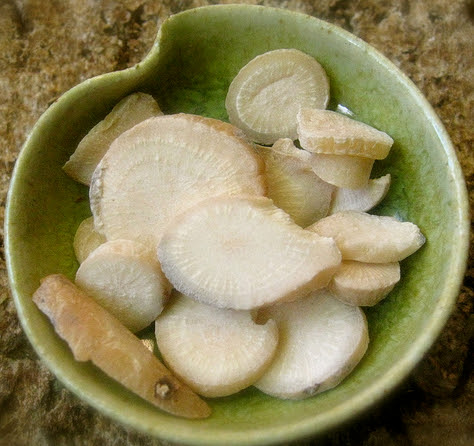
White peony root

Peonies are members of the same botanical family as the buttercup, Ranunculaceae, and belong to the genus Paeonia. They originated in Asia, and have been cultivated in both Japan and China for at least several centuries, perhaps even a millennium. Peonies are an early ground-breaker, producing reddish shoots as early as April in the Northern Hemisphere.

They are a tall plant, ranging from 1–5 ft (30–150 cm) in height. Their branching stems produce glossy deep green leaves that taper to a point on each end, and grow up to 5 in (12.5 cm) in length. The peony root is brownish in color and tuberous.

The peony flowers are produced at the tips of the branching stems. Beginning as globular buds that produce a sweet, sticky exudate that attracts ants (that do no harm), these buds slowly open into large, showy flowers with diameters up to 10 in (20.5 cm) wide. The peony is an extremely long-lived plant, especially for a flowering one. It is not uncommon for peonies to live for a hundred years.

PeoniesPeonies

They prefer moist, humus-rich loam and either full or partial sun. If peonies become overcrowded, the plants must be divided, and at the end of the growing season, it is best to cut the stems off at ground level and mulch for winter protection.

Though there are literally hundreds of hybrid varieties that have been developed over the centuries, most peonies share both a common origin and fairly similar characteristics. Many resemble a herbaceous shrub.

Others that originated in western China have woody stems and are called tree peonies. Tree peonies do not die back completely in winter. In addition, tree peony root and red peony root are considered separate entities in traditional Chinese medicine.

Peonies
Blooming white peony

Classification of these flowering plants is often based on when they bloom. The earliest produce blossoms in late April (in southern areas) or early May. Others flower in mid- or late May and into June. Another means of classifying peonies is based upon the shape of their flowers. Single peonies form a circle of five or more petals radiating symmetrically outward from a middle ring of yellow stamens, or male procreative structures.

Japanese peonies have a similar appearance, but the stamens are both more narrow and more level and produce no pollen. Other varieties are either semi-double or double. Semi-double peonies have multiple rings of petals circling around visible stamens. Double peonies produce concentric rings of showy petals that hide the stamens.

Most of the varieties of peony admired in flower gardens today are hybrids of the two original species of this plant, Paeonia officinalis and Paeonia lactiflora, which differ slightly in appearance.

Peonies
white peony plant
Paeonia officinalis is the species most often seen in gardens and used as an ornamental flower. It reaches heights of 1.5-2 ft (45-60 cm) tall and its subspecies have a remarkable variation of colors. This species produces creeping roots that help to spread the plant.

Paeonia lactiflora, also called Paeonia alba or white peony, is the plant most often used in herbal medicine, particularly in Chinese herbal medicine. White peonies grow to 3 ft (1 m) tall, and are among the later-flowering peonies, coming into bloom in May and June in most climates. They have a sweeter scent than Paeonia officinalis.

Despite the name of white peony, flowers can be several hues other than white depending upon the subspecies. There are rose-pink and scarlet varieties, as well as white peonies ornamented with other colors. White peonies can be either single, semi-double or fully double. Paeonia rubra, or red peony, is a separate herb.

General use

Under the name bai shao, white peony root is used in many diverse Chinese herbal formulas. It is considered a herb with strong blood-toning characteristics, used to treat the imbalance of blood in the body, cooling and providing nourishment to the blood and activating circulation.

More specifically, red peony root is used to treat heat rash, to correct poor circulation and to stop hemorrhages. White peony root is used for irritability and muscle cramping, vaginal discharges, excessive menstrual bleeding, and excessive sweating. It is also given to treat a large variety of gynecological disorders and to avert miscarriage.

In the databases developed by the Agricultural Research Service of the United States Department of Agriculture, white peony root (from both Paeonia albaflora and subspecies Paeonia albaflora trichocarpa) has been shown to have chemical properties that restore the normal functioning of the digestive system; act as a laxative; relieve pain; reduce or stop spasms or seizures; lower blood pressure by dilating arteries; and improve the nutrition of blood.

Peony root appears to have some positive effects in treating anemia, some types of cancer, convulsions, gastritis, hypertension, and some gynecological problems. It can also be used as an emmenagogue, which means that it can bring on a woman’s menstrual period.

Preparations

Powdered peony root is used in combination with other herbs used in Chinese herbal medicine, including apricot seeds, bupleurum, inula, cyperus, clematis, corydalis, ginseng, licorice, pueraria, rehmannia, dogwood, and gardenia.

The classic Chinese blood tonic is a mixture of rehmannia, dang bui, cnidium, and white peony. A Western herbalist suggests combining white peony with nettles and yellow dock for treating mild anemia or blood deficiency.

Precautions

Chinese herbalists advise against using white peony root when cold-deficiency diarrhea is present.

Western readers should remember that Chinese herbal medicine is based upon individual prescriptions developed for each patient and his or her unique symptoms. Chinese herbs should not be taken, either individually or in formulas, unless a practitioner of Chinese herbal medicine is first consulted.

sometimes
Wheat grass

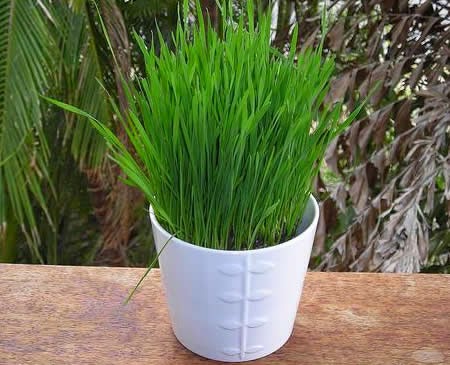
Wheat grass, sometimes written as wheatgrass or wheat-grass, is a young green wheat plant (genus Agropyron) harvested before it develops grain kernels and turns the traditional yellow color associated with wheat stalks.

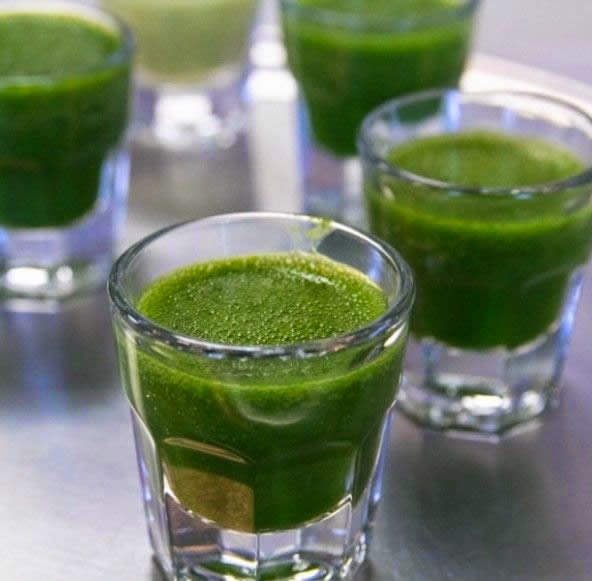
Wheat grass is commonly prepared as a juice, and is consumed either alone, or as a mixture with other juices.

Wheat grass is a source of many nutrients. Differences between samples of wheat grass due to variable growing conditions, quality of seed, and other factors including dose amounts and form will produce variable amounts of nutrients in any single dose of wheat grass.

sometimessometimes

The following is a partial list.

Although wheat grass contains a wide range of amino acids and other nutrients, the concentrations are low. Relatively large quantities of wheat grass may be required in order to provide significant nutritional benefits.

Origins

There is no well documented history of consumption of wheat grass. Wheat is one of the oldest crops known, and was cultivated as long as 9,000 years ago in the Euphrates Valley of the Middle East.

At least one company has claimed that ingestion of wheat grass dates from the Essenes, a Jewish sect of about the first century A.D. Contemporary use seems to have originated with Ann Wigmore (1909–1994). Ms. Wigmore may be credited with many of the theories concerning enzymes, grasses, and living foods.

Benefits

Wheat grass, depending on the dose, is a dietary supplement, although the concentrations of some nutrients may be low. The sellers of wheat grass have made a large number of claims for the product.

The following list is representative, but not complete.
  • cure cancer
  • cure chronic fatigue syndrome
  • detoxify liver
  • purify blood
  • neutralize pollutants
  • improve energy
  • improve circulation
  • slow aging
  • increase immunity
  • protect against biological warfare

Description

Wheat grass is usually grown indoors, either commercially or for personal use. The grass is harvested while still green, and before the wheat kernels have developed. The juice is extracted either with stone grinding, as with a mortar and pestle, or with a manual juicer. High-speed juicers are considered unsuitable, either because they will oxidize the chlorophyll or destroy the enzymes.

Wheat grass juice, according to Ann Wigmore, should be consumed within 30 minutes of juicing.

Wheat grass has a taste that has been described as pungent, however one manufacturer disputes these claims, and maintains that the product has a watermelon or green tea taste.

Preparations

Wheat grass may be purchased in a variety of ways. Kits are available, containing seed, soil, and pots, so that users may grow their own supplies. Alternately, the cut grass is available in packages of 8 or 16 ounces.

Powders and tablets made from dehydrated wheat grass are marketed.

Precautions

No special precautions are required. Because wheat grass juice does not contain gluten, the principle allergen in wheat, the juice may be expected to be safe even for people with wheat allergies.

Side effects

There are no established side effects of wheat grass.

Research and general acceptance

sometimes
wheat grass juice

Wheat grass has not been accepted into conventional medicine at any level. The United States Food and Drug Administration (FDA) and the German Commission E have not reviewed the validity of wheat grass therapy claims.

While some of the claims made for wheat grass are based on laboratory studies, there do not appear to be clinical studies or any form of confirmation from human studies of any form.

While wheat grass contains a large assortment of nutrients, the concentrations are low, and a large volume of juice or powder would be required in order to make a significant contribution to health. Arguments regarding the of benefits orally ingested enzymes have been generally rejected, because enzymes are destroyed during digestion.

Wheat
Wheat germ

Wheat germ is the embryo of the wheat kernel. It is separated from wheat being milled for flour. Wheat germ is sodium and cholesterol free, and dense in nutrients.

It is rich in vitamin E, magnesium, pantothenic acid, phosphorus, thiamine, and zinc. It is also a source of coenzyme Q10 (ubiquinone) and PABA (para-aminobenzoic acid). Two tablespoons of wheat germ contains 65 calories, 6 grams protein, 2 grams of unsaturated fat, and 2 grams of fiber.

General use

Wheat germ is a food source, and is part of the breads and cereals food group. Its high vitamin and mineral content make it an extremely nutritious food. Wheat germ contains the following nutrients.

WheatWheat

  • Vitamin E. One cup of wheat germ contains 19.5 mg of vitamin E, and one tablespoon of wheat germ oil is packed with 26.2 mg of vitamin E. Vitamin E is an antioxidant, which is thought to protect the immune system.
  • Magnesium. Magnesium assists the body in producing and transferring energy, and helps to maintain heart, bone, muscle, and circulatory system health.
  • Pantothenic acid. The panthothenic acid in wheat germ helps the body process and use energy from food, and metabolizes cholesterol and fatty acids. There is approximately 1.24 mg of pantothenic acid, also called vitamin B5, in 0.5 cup wheat germ. The U. S. recommended daily allowance (RDA) of pantothenic acid is 5 mg/day.
  • Phosphorus. A quarter cup serving of wheat germ contains 232 mg of phosphorus. Phosphorus helps build bones and teeth and assists in metabolism. Adults should consume approximately 700 mg of the mineral daily.
  • Thiamine. Thiamine, one of the B complex vitamins, is essential to normal growth, and to building healthy skin, muscle, bones, and hair. It also promotes normal functioning of the nervous system, and helps the body to metabolize alcohol. One cup of wheat germ contains 1.08 mg of thiamine, and the RDAs for men and women are 1.2 mg and 1.1 mg, respectively.
  • growth, immune system function, and hormone production.
  • Coenzyme Q10. Coenzyme Q10, or ubiquinone, is an antioxidant that assists cells in transferring energy and oxygen.
  • Para-aminobenzoic acid (PABA). PABA helps to maintain the balance of intestinal flora, or bacteria.

Wheat germ is also high in fiber, and contains approximately 1 gram of fiber per tablespoon. A diet high in fiber can be useful in regulating bowel function (i.e., reducing constipation), and may be recommended for patients at risk for colon disease, heart disease, and diabetes.

Preparations

Wheat germ is used extensively in animal feeds, but for human consumption, wheat germ cereals and wheat germ oil are the two most popular preparations of the grain. Both are available in most grocery and health food stores.

A jar of vacuum-packed wheat germ can be safely stored up to one year unopened. Opened jars should be refrigerated, where they can be stored up to nine months if stored properly and tightly sealed.

To increase fiber and nutrients in bread and cereal recipes, wheat germ may be used to replace 0.5–1 cup of regular flour.

Precautions

Because wheat germ contains fat, proper cold storage is necessary to prevent spoilage.

Side effects

There are no known side effects to wheat germ consumption at normal dietary levels.

is
Whooping cough

Whooping cough, also known as pertussis, is a highly contagious disease that causes classic spasms (paroxysms) of uncontrollable coughing, followed by a sharp, high-pitched intake of air, which creates the characteristic whoop of the disease’s name.

Whooping cough is caused by a bacterium called Bordetella pertussis. B. pertussis causes its most severe symptoms by attaching itself to those cells in the respiratory tract that have cilia.

Cilia are small, hair-like projections that beat continuously, and serve to constantly sweep the respiratory tract clean of such debris as mucus, bacteria, viruses, and dead cells.

When B. pertussis interferes with this normal, janitorial function, mucus and cellular debris accumulate and cause constant irritation to the respiratory tract, triggering coughing and increasing further mucus production.

isis

Whooping cough is a disease that exists throughout the world. While persons of any age can contract whooping cough, children under the age of two are at the highest risk for both the disease and for serious complications including death.

Apparently, exposure to B. pertussis bacteria earlier in life gives a person some, but not complete, immunity against infection with it later on. Subsequent infections resemble the common cold.

It is estimated that as many as 120,000 persons in the United States get whooping cough each year. The number of cases has been increasing, with the largest increases found in older children and adults. Between 1993 and 1996, the number of cases increased by 40% in five-to nine-year-old children, 106% in 10–19 year olds, and 93% for persons aged 20 years and older.

Causes and symptoms

Whooping cough has four stages that partially overlap: incubation, catarrhal stage, paroxysmal stage, and convalescent stage.

A person usually acquires B. pertussis by inhaling droplets carrying the bacteria that were coughed into the air by someone already suffering with the infection. Incubation is the symptomless period of seven to 14 days after breathing in the B. pertussis bacteria, and during which the bacteria multiply and penetrate the lining tissues of the entire respiratory tract.

The catarrhal stage is often mistaken for an exceedingly heavy cold. The patient has teary eyes, sneezing, fatigue, poor appetite, and an extremely runny nose (rhinorrhea). This stage lasts about 10–14 days.

The paroxysmal stage, lasting two to four weeks, begins with the development of the characteristic whooping cough. Spasms of uncontrollable coughing, the whooping sound of the sharp inspiration of air, and vomiting are all hallmarks of this stage.

The whoop is believed to occur due to inflammation and mucus that narrow the breathing tubes, causing the patient to struggle to get air into his/her lungs; the effort results in intense exhaustion. The paroxysms (spasms) can be induced by overactivity, feeding, crying, or even overhearing someone else cough.

The mucus that is produced during the paroxysmal stage is thicker and more difficult to clear than the more watery mucus of the catarrhal stage, and the patient becomes increasingly exhausted attempting to clear the respiratory tract through coughing. Severely ill children may have great difficult, maintaining the normal level of oxygen in their systems, and may appear somewhat blue after a paroxysm of coughing, due to the low oxygen content of their blood.

Such children may also suffer from swelling and degeneration of the brain (encephalopathy), which is believed to be caused both by lack of oxygen to the brain during paroxysms, and also by bleeding into the brain caused by increased pressure during coughing. Seizures may result from decreased oxygen to the brain.

Some children have such greatly increased abdominal pressure during coughing that hernias result (hernias are the gila protrusion of a loop of intestine through a weak area of muscle). Another complicating factor during this phase is the development of pneumonia from infection with another bacterial agent, which takes hold due to the patient’s weakened condition.

If the patient survives the paroxysmal stage, recovery occurs gradually during the convalescent stage, usually taking about three to four weeks. However, spasms of coughing may continue to occur over a period of months, especially when a patient contracts a cold, or other respiratory infection.

Diagnosis

Diagnosis based only on the patient’s symptoms is not particularly accurate, as the catarrhal stage may appear to be a heavy cold, a case of the flu, or a simple bronchitis.

Other viruses and tuberculosis infections can cause symptoms similar to those found during the paroxysmal stage. The presence of a pertussis-like cough along with an increase of certain specific white blood cells (lymphocytes) is suggestive of pertussis (whooping cough). However, cough can occur from pertussis-like viruses.

The most accurate method of diagnosis is to culture (grow in the laboratory) the organisms obtained from swabbing mucus out of the nasopharynx (the breathing tube continuous with the nose). B. pertussis can then be identified by examining the culture under a microscope.

Researchers believe that as many as 90% of the cases are not diagnosed, mainly because of the nonspecific symptoms displayed by adults. An adult who has been coughing for months may have whooping cough.

Recent advances in the accuracy of diagnostic tests based on polymerase chain reactions (PCR) are now being applied to whooping cough. Researchers in Seattle are presently working on a PCR-based test for Bordetella pertussis that will improve the speed as well as the accuracy of diagnosing whooping cough.

Treatment

Whooping cough should always be treated with antibiotics and never with only alternative therapies. The following complementary therapies may reduce symptoms and speed recovery. Supportive treatment involves careful monitoring of fluids to prevent dehydration, rest in a quiet, dark room to decrease paroxysms, and suctioning of mucus. Sitting up during coughing attacks may help.

Herbals

The following herbal remedies may help to support antibiotic treatment of whooping cough:
  • bryonia (Bryonia alba) tea: spasmodic coughing
  • butterbur (Pinguicula vulgaris) infusion: infection and spasms
  • evening primrose (Oenothera biennis) oil
  • jamaican dogwood (Piscidia erythrina) root or bark: spasms
  • lobelia (Lobelia inflata) tea or tincture: spasmodic coughing
  • pansy (Viola tricolor) tea or tincture: spasms
  • red clover (Trifolium pratense) tea
  • santonica (Artemisia cina) powder, tablets, or lozenges
  • sea holly (Eryngium planum) infusion: infection and spasms
  • skunk cabbage (Symplocarpus foetidus) powder, extract, or tincture
  • sundew (Drosera rotundifolia) infusion: infection and spasms
  • thyme (Thymus vulgaris) infusion: infection and spasms
  • wild cherry (Prunus serotina) bark infusion or syrup: infection, and spasmodic coughing

Homeopathy

Homeopathic remedies are chosen based upon the family of symptoms displayed by each patient. Remedies for symptom families include:
  • Drosera: dry and tickly feeling in throat; violent coughing that induces vomiting; symptoms worse after midnight.
  • Kali carbonicum: dry, hard, hacking cough at 3 A.M.; puffy eyelids; exhaustion; chilly feeling.
  • Coccus: coughing worse when warm; drinking cold water brings relief; vomiting stringy, transparent mucus.
  • Cuprum: coughing spasms cause breathlessness and exhaustion; blue lips; toe and finger cramping; drinking cold water brings relief.
  • Kali bichromicum: coughing up yellow, stringy mucus.
  • Belladonna: stomach pain before coughing; coughing worse at night; retching with coughing attacks; red face; puffy eyelids.
  • Ipecac: sick feeling most of the time; paleness, rigidity, breathlessness, and then relaxation precede vomiting.

Chinese medicine

Traditional Chinese medicine (TCM) practitioners use a combination of herbals, acupuncture, and ear acupuncture to treat whooping cough during each stage. Yi Zhi Huang Hua (Herba solidaginis) decoction or a decoction of Bai Mao Gen (Rhizoma imperatae), Lu Gen (Rhizoma phragmitis), and Si Gua Gen (Radix vascularis luffae) may be taken for the early stage of whooping cough. Gasping cough can be treated with a mixture of Wu Gong (Scolopendra) and Gan Cao (Radix glycyrrhizae).

Other remedies

Other remedies may assist in the treatment of whooping cough.
  • Dietary supplements include vitamins A and C, beta carotene, acidophilus, lung glandulars, garlic, and zinc.
  • Dietary changes include drinking plenty of fluids, eating fruits, vegetables, brown rice, whole grain toast, vegetable broth, and potatoes, and avoiding dairy products.
  • Juice therapists recommend orange and lemon juice or carrot and watercress juice.
  • Hydrotherapy treatment consists of wet clothes or other material applied to the head or chest to relieve congestion.
  • Aromatherapy uses essential oils of tea tree, chamomile, basil, camphor, eucalyptus, lavender, peppermint, or thyme.
  • Osteopathic manipulation can reduce cough severity and make the patient feel more comfortable.


Allopathic treatment

Treatment with the antibiotic erythromycin is clearly helpful only in the very early stages of whooping cough, during incubation and early in the catarrhal stage.

In general, however, physicians have used this antibiotic both for treatment of whooping cough itself and to prevent its spread to others in the patient’s community. This type of preventive measure is known as prophylaxis.

Unfortunately, the benefits of antibiotic prophylaxis and treatment for whooping cough are limited because erythromycin-resistant strains of B. pertussis have spread throughout the United States since the first case of erythromycin resistance was identified in Arizona in 1994.

Although erythromycin is still used as of 2003 for both treatment and prophylaxis of whooping cough, the Centers for Disease Control (CDC) is monitoring the five resistant strains of B. pertussis that have been identified so far.

Expected results

Just under 1% of all cases of whooping cough cause death; in 2000, only two deaths from whooping cough were reported in the United States. Children who die of whooping cough usually have one or more of the following three conditions:
  • Severe pneumonia, perhaps with accompanying encephalopathy.
  • Extreme weight loss, weakness, and metabolic abnormalities due to persistent vomiting during paroxysms of coughing.
  • Other preexisting conditions, so that the patient is already in a relatively weak, vulnerable state (such conditions may include low-birth-weight babies, poor nutrition, infection with the measles virus, presence of other respiratory or gastrointestinal infections or diseases).

Prevention

The mainstay of prevention lies in the immunization program. In the United States, inoculations begin at two months of age. The pertussis vaccine, most often given as one immunization together with diphtheria and tetanus (called DTP), has greatly reduced the incidence of whooping cough. With one shot backed with a 70% immunization rate, two shots increase it to 75–80%, and three to only 85%, it is not a guarantee.

A new formulation of the pertussis vaccine is available. Unlike DTP, which is composed of dead bacterial cells, the newer acellular pertussis vaccine is made up of two to five chemical components of the B. pertussis bacteria. The acellular pertussis vaccine (called DTaP; when combined with diphtheria and tetanus vaccines) greatly reduces the risk of unpleasant reactions, including high fever and discomfort at the injection site.

Because adults are the primary source of infection for children, there has been some talk in the medical community about vaccinating or giving booster vaccinations to adults. A recent increase of pertussis cases among adults in France has led several French medical schools to recommend booster doses of vaccine for adults.

The
Wigmore diet

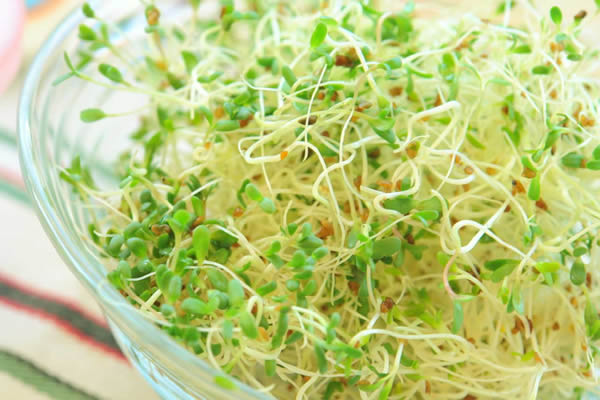
The Wigmore diet is named for its creator, Ann Wigmore. She devised a nutritional system called the Living Foods Program, based on a combination of wheatgrass juice, live sprouts, and fresh raw foods. It is thought that this dietary regimen, which is sometimes called raw nutrition, detoxifies and rebuilds the body.

Persons following the Wigmore diet also avoid using denatured processed commercial foods or anything containing chemicals, especially pesticides. Although the Wigmore diet is essentially a vegetarian diet, its distinctive feature is its emphasis on eating foods in their uncooked state.

Origins

The Wigmore diet was developed during the 1960s by Ann Wigmore, a woman who was born in Eastern Europe in 1909 and emigrated to the United States after World War I. She credited her grandmother with teaching her natural healing methods.

TheThe

She did not, however, use this folk wisdom immediately but returned to it after years of ill health that included colitis, headaches, and arthritis. When she finally learned that she had cancer, she returned to her grandmother’s healing methods in order to regain her health.

After testing the results of a diet based on sprouts and wheat grass juice in her own life, she wanted others to benefit from what she had learned. Ann Wigmore founded the Hippocrates Health Institute in Boston in 1963, which still teaches her methods of self-healing through a live-foods diet.

Although Ann Wigmore died in a fire in 1993, her diet still attracts new followers. In recent years, the Hippocrates Institute has opened branches in southern California and Florida.

Benefits

The Wigmore diet is based on the assumption that the high levels of living enzymes in fresh raw foods, particularly wheat grass juice and fresh sprouts, provide the body with substances needed to detoxify and regenerate it.

In addition to increased vitality and a strengthened immune system, the Wigmore regimen is thought to help individuals overcome some serious diseases, including arthritis, digestive tract problems, allergies, and even cancer.

Description

The
Sprouts

Perhaps the essence of what she taught could best be described by Ann Wigmore herself: “Live foods nutrition is super nutrition because it recognizes and appreciates the differences between raw and cooked foods and between natural and synthetic nutrients.

In the conventional nutrition-school curriculum there is little room for a discussion of either the value of enzymes and life forces in foods, or the merits of live (raw) versus cooked foods. Yet the difference, when translated into health terms, is the difference between being vitally healthy and alive, and just breathing.”

The Wigmore diet classifies foods into four major groups: living foods, which include sprout mixtures, sunflower and buckwheat baby greens, living sauerkraut, and the fresh juices of wheat grass and barley; raw foods, which include fresh organic vegetables and ripe fruit, spices, herbs, and raw nuts; whole cooked foods, which include steamed or boiled vegetables, cooked whole grains, and baked root vegetables; and processed fast foods, which include all forms of “junk foods.” People following the Wigmore diet believe that most human diseases are caused when a person’s diet contains mostly foods in the last two groups.

Practitioners of the Wigmore diet encourage people to think of enzyme and oxygen levels as “bank accounts.” The more oxygen and enzymes that can be stored in the cells, the healthier one feels. It has been shown that eating certain foods will maintain enzymes and oxygen at optimal preferred levels.

Other notable features of the Wigmore diet include its emphasis on wheat grass as a “living food medicine” and food combining as a key to good digestion. Wheat grass has been credited with more healings than any other factor in the kegiatan because it is supposed to be rich in over 90 enzymes and minerals that are needed to build up the blood and immune system.

The
wheatgrass juice

People following the Wigmore diet are encouraged to drink at least two 2-ounce servings of wheat grass juice every day. In addition, wheat grass enemas of 4–8 ounces can be taken “as often as possible” for best results during the detoxification process.

Food combining in the Wigmore diet is based on the assumption that certain food combinations cause stomach cramps, indigestion, bad breath, intestinal gas,or lowered energy levels.

Foods are divided into nine groups: proteins (poultry, fish, dairy products, miso, and yeast); pre-digested proteins (nuts and seeds); starches; vegetables; acid fruits (citrus fruits and sour fruits); subacid fruits (apples, apricots, most berries, and peaches); sweet fruits (bananas, dates, and all dried fruits); melons; and neutral foods (avocados and lemons). Melons are to be eaten alone. While meals made up of foods from any one category are a good combination, for example, fruit and starch are a bad combination.

Another important point in the Wigmore diet is drinking water. Tap water is considered unsuitable, and some form of filter should be used. Distilled water or spring water are preferred.

Preparations

Preparations for the Wigmore diet include a gradual departure from less healthy foods; cleansing the digestive tract with aloe vera or similar products; and encouraging good digestion by eating food at room temperature as often as possible and eating raw or living foods before any cooked foods.

It is thought that the cooked foods hold up the digestion of raw and living foods, causing intestinal gas. Ann Wigmore’s The Sprouting Book discusses the proper preparation of the sprouts that play such a prominent role in her diet.

Precautions

Like all natural therapies, the Wigmore diet will be more effective if environmental as well as nutritional pollution of all types is avoided, and if a generally healthy lifestyle is followed. Such spiritual practices as meditation, visualization, and joining or starting a Living Foods support group are considered important features of a healthy lifestyle.

Side effects

Practitioners of the Wigmore diet warn people to expect certain side effects from detoxification, which is considered a key principle in the Living Foods lifestyle. The diet is believed to clear toxins from the body that have accumulated over years of poor nutritional habits. These toxins are released into the bloodstream and lymphatic system for eventual excretion.

During the detoxification process, the dieter may feel less energetic and uncomfortable in their body. The kegiatan recommends daily non-strenuous exercise, high fiber intake to cleanse the colon, daily dry skin brushing over the entire body, and the use of spirulina (blue-green algae) products to ease the side effects of the detoxification process.

As the Wigmore diet is a purely organic regimen, and avoids the use of medications and all chemicals, the risk of other side effects is minimal. Nevertheless, some individuals will be unable to tolerate this diet, and others may be allergic to the foods that are prescribed.

Research and general acceptance

As with many holistic therapies, the Wigmore diet is met with skepticism from allopathic physicians. On the other hand, there are many clinical cases and testimonials consistent with Ann Wigmore’s predicted benefits.

Contact Form

Name

Email *

Message *

Powered by Blogger.